


A good idea, a high-quality project or strong motivation are often not enough if we do not know how to present them to people who could become our partners, mentors or collaborators. It was precisely this question – how to communicate what we do and why it matters – that marked the beginning of a series of workshops on digital communication, LinkedIn and EU opportunities for young people and start-ups at Europe House in Podgorica.
The series of four workshops was launched by Europe House in cooperation with Jasna Pejović, co-founder and Executive Director of the start-up Flourish and the company DigitalBee, to help young people from Montenegro connect, master digital communication and expand beyond local boundaries.

“We come from a small country, and that can seem like a limitation only if we communicate exclusively at the local level. But when you learn how to communicate clearly and strategically in the digital space, you essentially enter a much larger market of ideas, contacts and opportunities,” Pejović said during our conversation after the first workshop.
She emphasised that digital communication is not the same for everyone, because we do not all communicate for the same reasons.
“Some people want to find a job. Others want to position themselves as young experts in their fields. Some want to attract clients. Others want to reach partners, mentors or investors. Once you know your goal, it becomes clear how you should communicate,” Pejović explained.
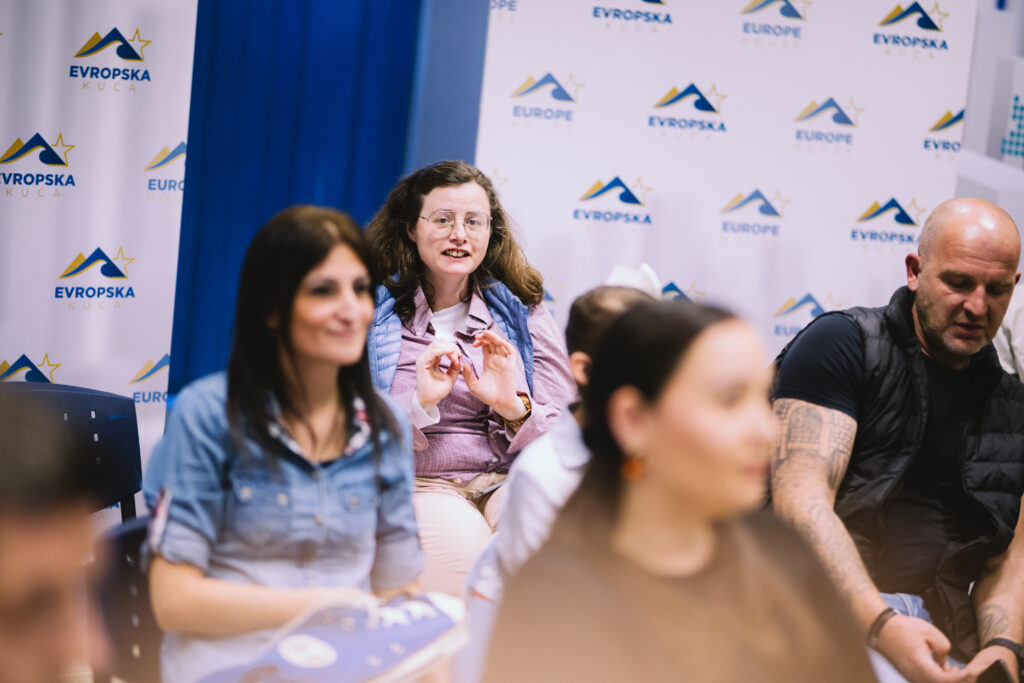
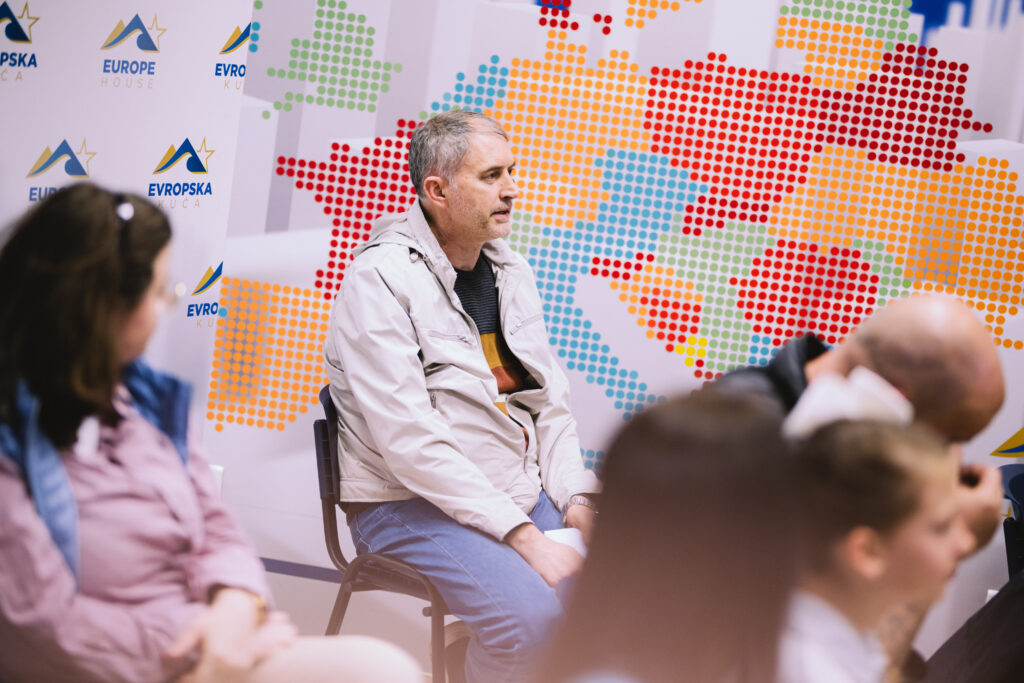
Without good communication, even an excellent idea can remain invisible.
“Digital communication is often the first space in which you build trust, especially when we are talking about projects, start-ups or initiatives in their early stages. If you cannot clearly present your idea, it is very easy to remain under the radar – even if you have real quality.”
Next week, a new workshop dedicated to LinkedIn awaits us. Participants will have the opportunity to learn how to present themselves authentically, build trust and strategically position themselves on this highly significant social network.
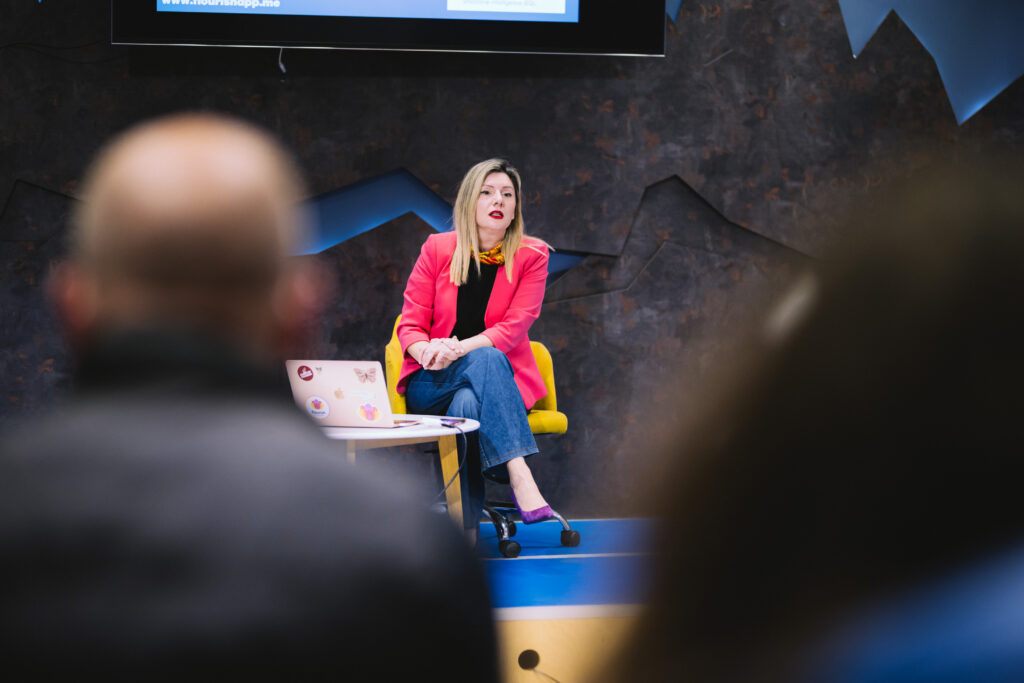
Speaking about LinkedIn, Pejović emphasised that it is not always necessary to have a “big story” and that success can be achieved without aggressive self-promotion.
“People often think they need to have a ‘big story’ before they begin. They do not. They simply need to be clear. On LinkedIn, it is not necessarily the person who knows the most who succeeds, but often the one who communicates most clearly and consistently what they know, what they do and what they are building.”
To those who are hesitant to publish content on this network because they feel they have nothing to say, Jasna advises them first and foremost to stop thinking about posting and instead focus on their goal.
“When you know why you are on LinkedIn, it becomes much easier to know what you have to say,” Pejović concluded.