Pljevlja General Hospital will lead a cross-border cooperation project worth more than €328,000, under which the healthcare institution will receive a modern digital mammography system with tomosynthesis.
The project will be jointly implemented by the Public Healthcare Institution Pljevlja General Hospital and Kraljevo Health Centre, with financial support from the European Union through the IPA III Cross-Border Cooperation Programme Serbia–Montenegro 2021–2027.
The Director of Pljevlja General Hospital, Saša Grbović, said that the agreement on the implementation of the project, “Integrated Health Services in a Cross-Border Context for Marginalised Communities in Pljevlja and Kraljevo”, was signed in Belgrade on 1 September.
Of the project’s total value, which exceeds €328,000, the European Union will provide almost €279,000. Pljevlja General Hospital is the lead beneficiary of the grant, while Kraljevo Health Centre is the project partner.
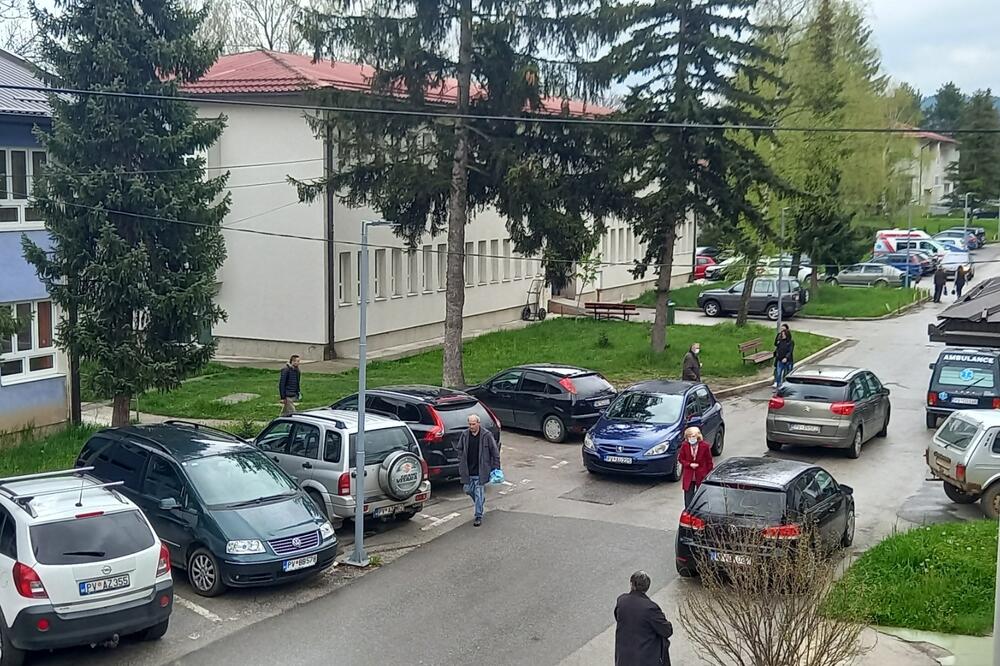
“For Pljevlja General Hospital, the most significant investment will be the procurement of a digital mammography system with tomosynthesis. The new equipment should improve the possibilities for the early detection of breast cancer and enable higher-quality diagnostics for female patients from the areas of Pljevlja and Žabljak. This investment is particularly important given the need for more accessible healthcare for the population of the northern region, where the distance from larger healthcare centres often presents an additional obstacle to timely diagnosis and treatment,” Grbović said.
However, the project will not focus solely on procuring medical equipment. “It also envisages strengthening the professional capacities of healthcare institutions through joint training sessions for healthcare workers, a study visit and an exchange of experience between partners from Montenegro and Serbia,” Grbović said.
Activities aimed at citizens will also be organised, with a particular focus on those facing difficulties in accessing healthcare services. These include older people, women, residents of rural areas and members of other vulnerable groups.
During implementation, at least 500 citizens are expected to benefit directly from improved healthcare services.
Source of text and photographs: Vijesti.me