


From Michael’s Gate and St Martin’s Cathedral, through the forests between Žilina and Liptovský Mikuláš, where the legendary Slovak folk hero Juraj Jánošík lives with his band of outlaws, all the way to the summit of Mount Sitno, beneath which legendary knights lie sleeping, stretches Slovakia, one of the greenest countries in Europe.
More than 40% of Slovakia is covered by forests.
Among Slovakia’s most famous natural treasures are the High Tatras, part of the Carpathian mountain range.
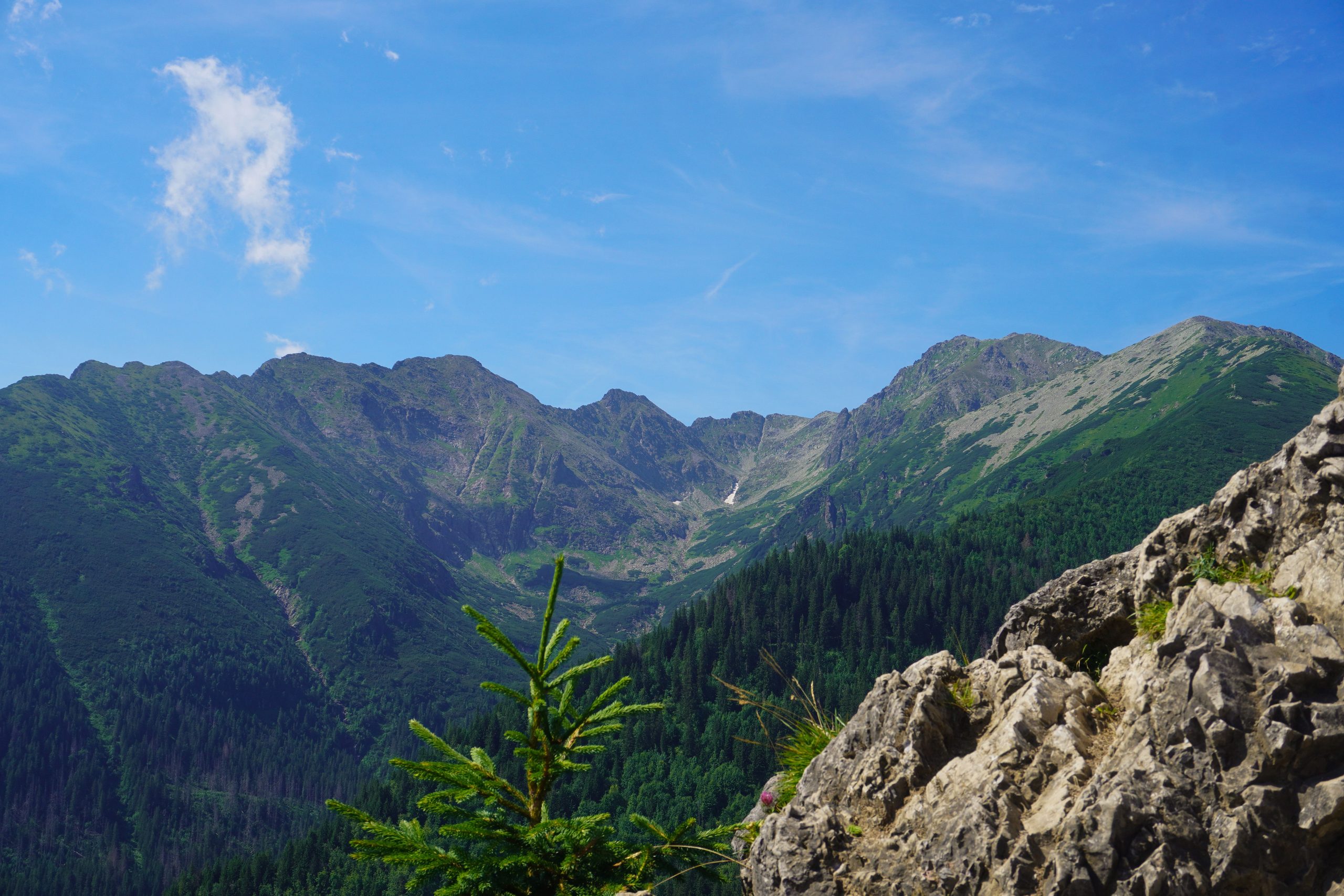
The High Tatras boast spectacular peaks, lakes and a rich diversity of flora and fauna.
Slovakia is also a land of castles.
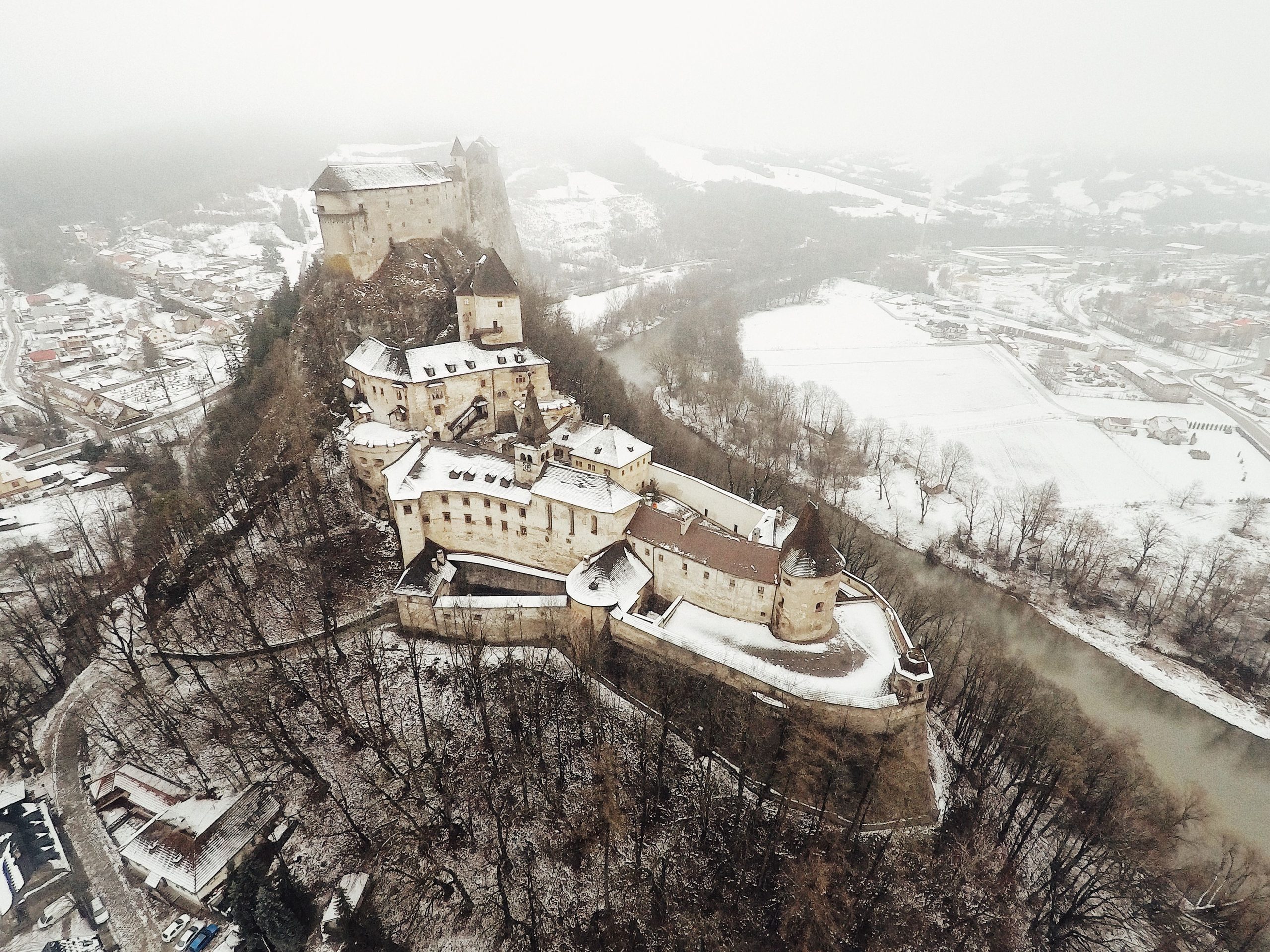
More than 100 castles and fortresses adorn the Slovak landscape. Among the most famous is Bojnice Castle, a fairy-tale castle surrounded by a magnificent park. It is a popular tourist attraction and hosts numerous festivals and cultural events. Orava Castle, perched on a cliff above the River Orava, is another symbol of the country’s rich medieval heritage.
The capital, Bratislava, combines historic charm with a modern atmosphere. Bratislava Castle, situated on a hill overlooking the Danube, offers spectacular views of the city, while a stroll through the Old Town reveals numerous cultural landmarks. Bratislava is also a centre of contemporary art and vibrant nightlife, making it an ideal destination for all generations.
The World of Slovak Folklore
Slovak folklore is exceptionally rich and diverse, deeply rooted in rural and shepherding traditions, with distinctive customs that vary from village to village.
Fujara – The Voice of the Slovak Mountains
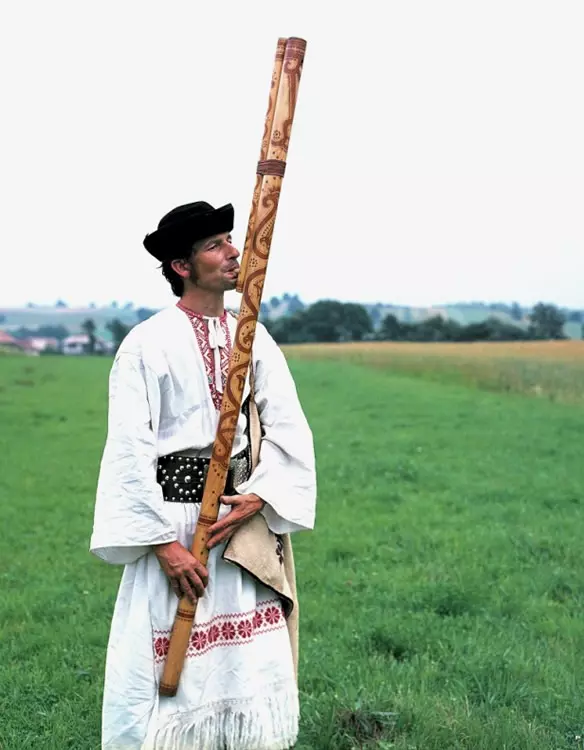
The fujara is a large traditional Slovak wind instrument that originated in central Slovakia and is closely associated with shepherding culture. This unusual flute is recognisable for its size, distinctive shape and deep, melodic sound.
Once part of shepherds’ everyday lives, it is now one of the most recognisable symbols of Slovakia’s musical heritage. Its exceptional cultural value has also earned international recognition, with UNESCO inscribing the fujara on its Representative List of the Intangible Cultural Heritage of Humanity.
The Knights of Sitno
Once upon a time, a blacksmith lived near the summit of Mount Sitno. He was skilled at his craft, but there was little work for him because there were no wars. He barely had enough money to live on or buy clothes, so he decided to sell his forge and spend the rest of his life in peace.
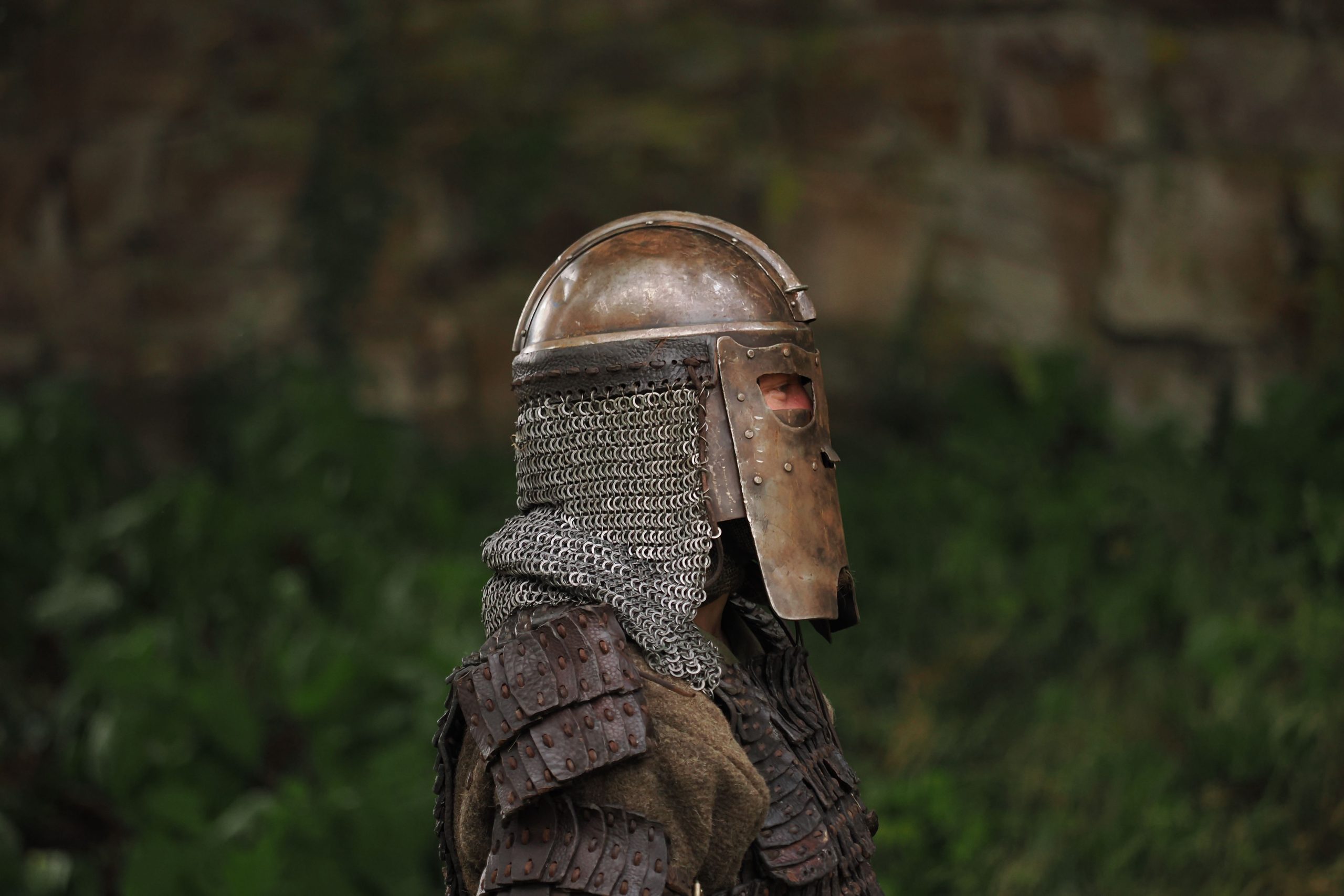
One day, a knight wearing unusual armour appeared before him and invited him to follow. The blacksmith followed the knight deep into the forest, all the way to the summit of Sitno. There, fear overcame him. He thought the knight was going to kill him and wanted to run away. At that very moment, the mountain opened.
Before the blacksmith appeared, an unimaginable number of knights. They were all asleep. Only one was awake: his mysterious companion. The knight asked the blacksmith to repair numerous swords and suits of armour. The blacksmith set to work, and his hammer echoed through the mountain.
Meanwhile, back in the village, he had long been forgotten. People believed he was dead. His children had grown up, and his wife had found another man.
Many years later, the blacksmith suddenly returned home, carrying a large sack of money.
Where had he been all that time? Among the knights of Sitno, he told the villagers.
Legend says that when Slovakia faces its darkest hour, the sleeping knights will awaken and come to their people’s aid.
Slovakia is home to numerous folklore festivals, including the Východná Folklore Festival. Its programme features a wide variety of traditional music, dance and theatrical performances, as well as lectures, exhibitions, folk dance and singing classes, and craft workshops.
Coffee as a Reason to Come Together
In Slovakia, coffee is more than just a drink. It is part of everyday life, a chance to take a break, enjoy a conversation, and spend time together.
Bratislava has a long café tradition, shaped in part by its historical ties with Vienna, whose coffeehouse culture has left a lasting mark on the city.
Today, the Slovak capital is home to both traditional cafés, where coffee is enjoyed alongside cakes and pastries, and contemporary speciality coffee shops that celebrate high-quality coffee and showcase products from local and international roasters.
From a morning cup of coffee to an afternoon catch-up with friends, coffee offers a simple yet cherished way to slow down and make time for conversation.
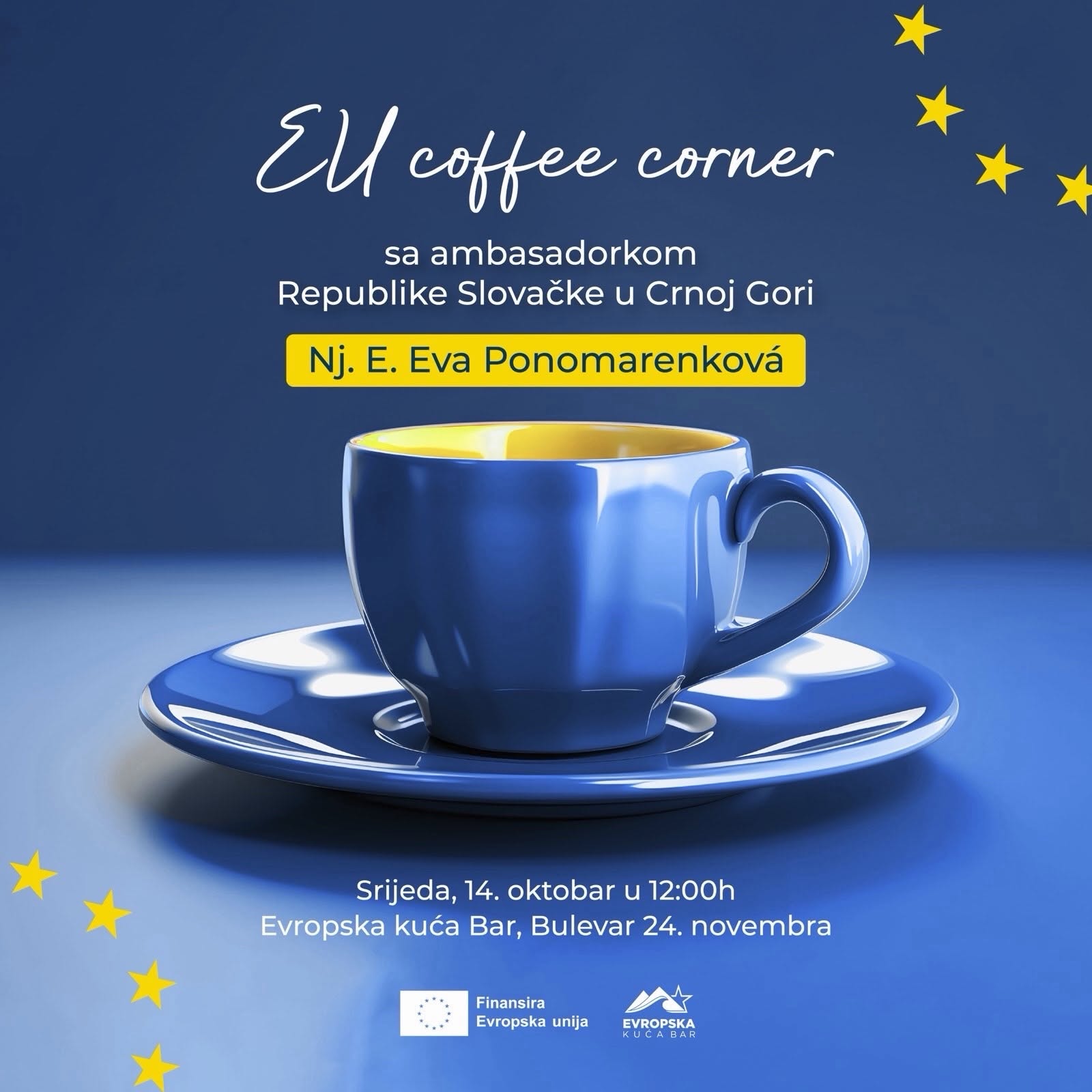
If you would like to learn more about Slovakia, its customs and culture, we invite you to join us at Europe House Bar on 14 October at noon for the “EU Coffee Corner” event with the Ambassador of the Slovak Republic to Montenegro, Eva Ponomarenková.
Over a cup of coffee, you will have the opportunity to discover Slovakia first-hand, explore what makes it unique and learn more about the ties that connect Slovakia and Montenegro.
Sometimes, all it takes to get to know a country is a good conversation, and a cup of coffee shared with others.