


If Technology Is for Everyone, Why Are Women Underrepresented in Decision-Making?
Technology shapes the world and the distribution of power. Although the doors of the ICT industry are formally open to all, girls still drift away from this path — not due to a lack of knowledge or access, but because of quietly imposed stereotypes. This is precisely why the campaign “Girls Hacking Stereotypes”, implemented by the company One with the support of the Delegation of the European Union to Montenegro, the Women’s Rights Centre, ICT Cortex, and IPC Tehnopolis, focuses on a fundamental challenge: the absence of women from the spaces where the economic and social future is shaped. Where capital and influence are greatest, the presence of women is lowest.
Speaking about the fact that the barriers do not lie in technology, but in an environment that imposes stereotypes on girls in advance, representatives of the company One emphasise that the issue of gender equality in ICT is, in essence, a question of access to power and decision-making.
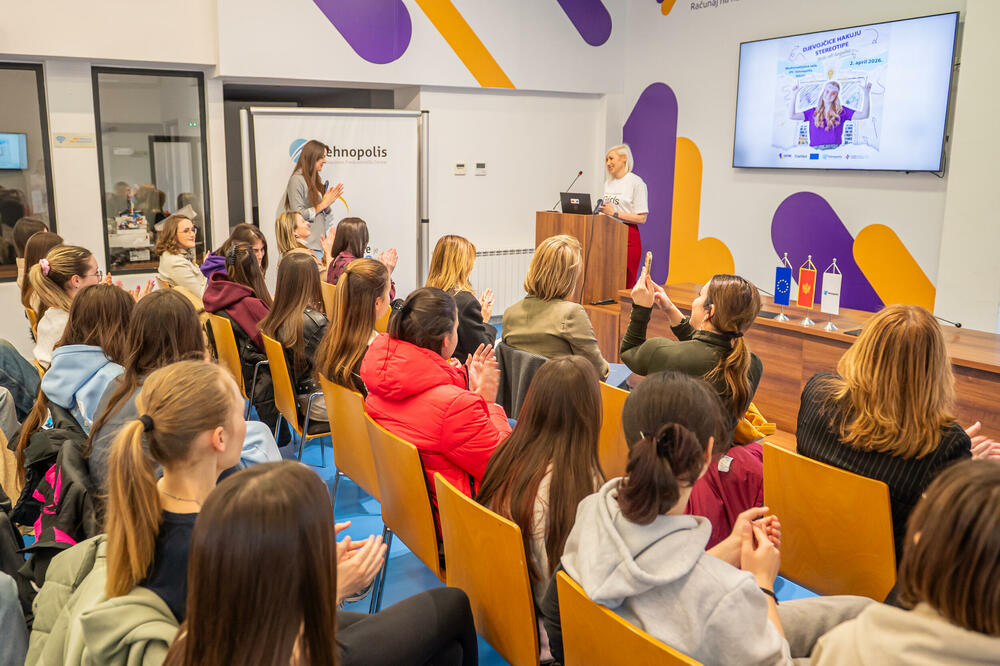
“Girls do not lack access to computers or the internet. What they lack is an environment that does not assign them roles before they have the chance to choose for themselves. Today, this industry is the epicentre of economic power, yet globally, only around one in five leadership positions in the tech sector is held by women. They remain outside the circles where decisions are made. That is why, at One, we believe this campaign is not about technology, but about freeing ourselves from imposed cultural narratives. Our goal is not to teach girls how to fit into the IT sector, but how to ‘hack’ the stereotypes that stand in their way of leading it,” said Biljana Radusinović, Chief Human Resources Officer at One.
The most dangerous stereotypes are precisely those we fail to recognise, said Maja Raičević, Executive Director of the Women’s Rights Centre.
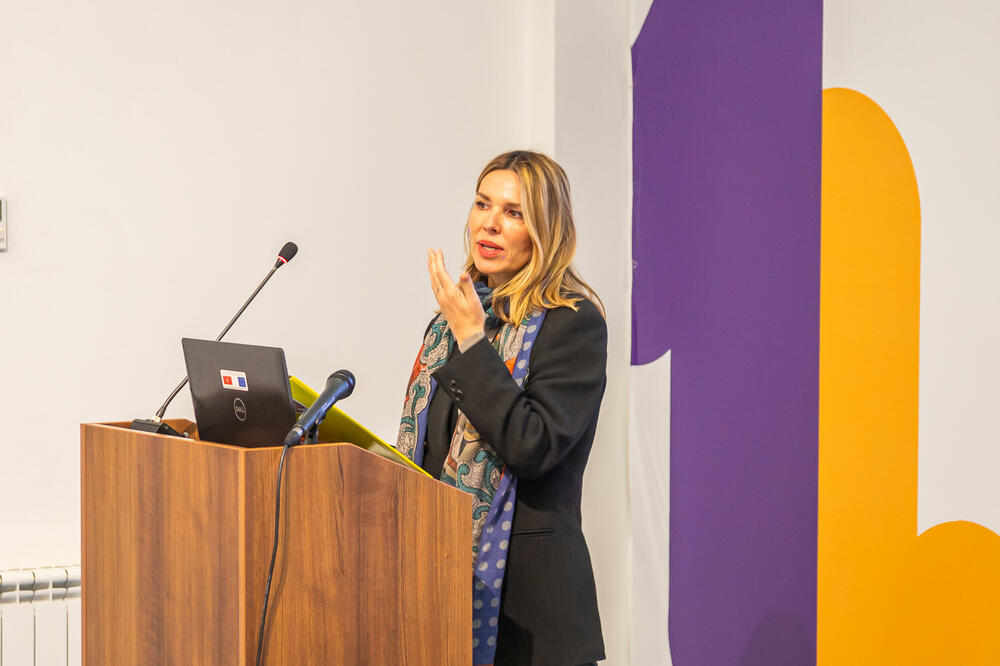
“The most dangerous stereotypes are not the ones we clearly recognise, but those that present themselves as unquestionable common sense. These are often unspoken expectations of the environment and ‘normalised’ assumptions about what is or is not appropriate for girls. That is why it is important not only to speak about access, but also about who shapes our beliefs and whose voice is considered relevant. Change happens when both girls and boys are taught to recognise these invisible mechanisms and are encouraged to challenge them. I am pleased that, through this project, the Women’s Rights Centre has the opportunity to contribute to that,” she stated.
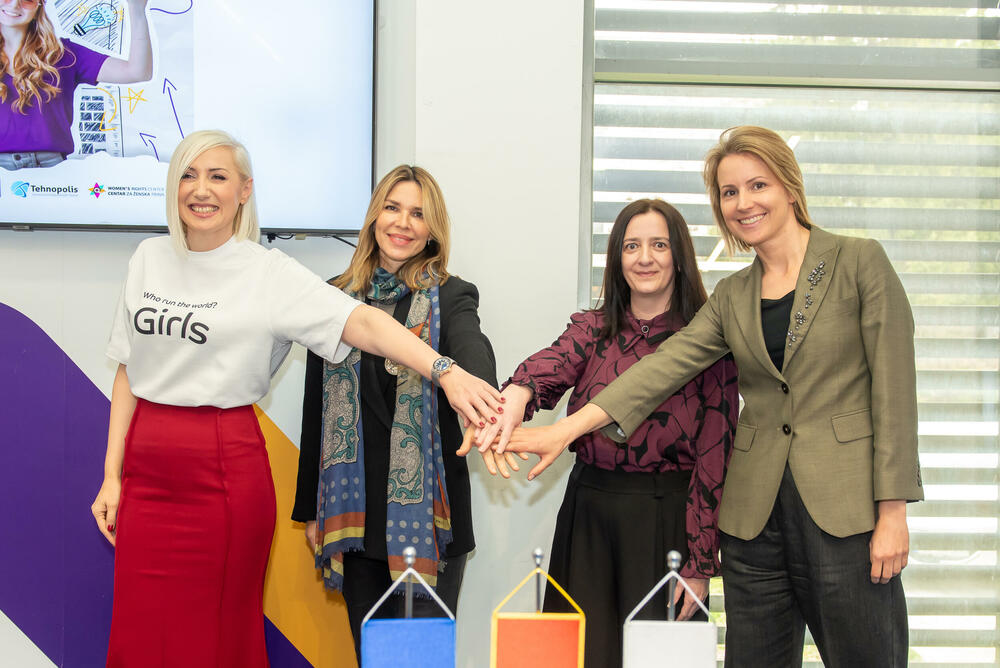
ICT Cortex emphasises that it is crucial for girls to see that space within the IT industry already exists and belongs to them, and to have the support needed to remain in it and develop their potential.
“In the ICT Cortex community, many women demonstrate that they belong in the IT industry through their knowledge, achievements, and leadership. Our community clearly shows that there are real opportunities, and our task is to help girls recognise that they belong there too and to empower them to persevere despite stereotypes. When they develop their skills, they not only find their place in IT, but also become the ones who shape its future,” emphasised Maja Laušević Odalović, Executive Director of ICT Cortex.
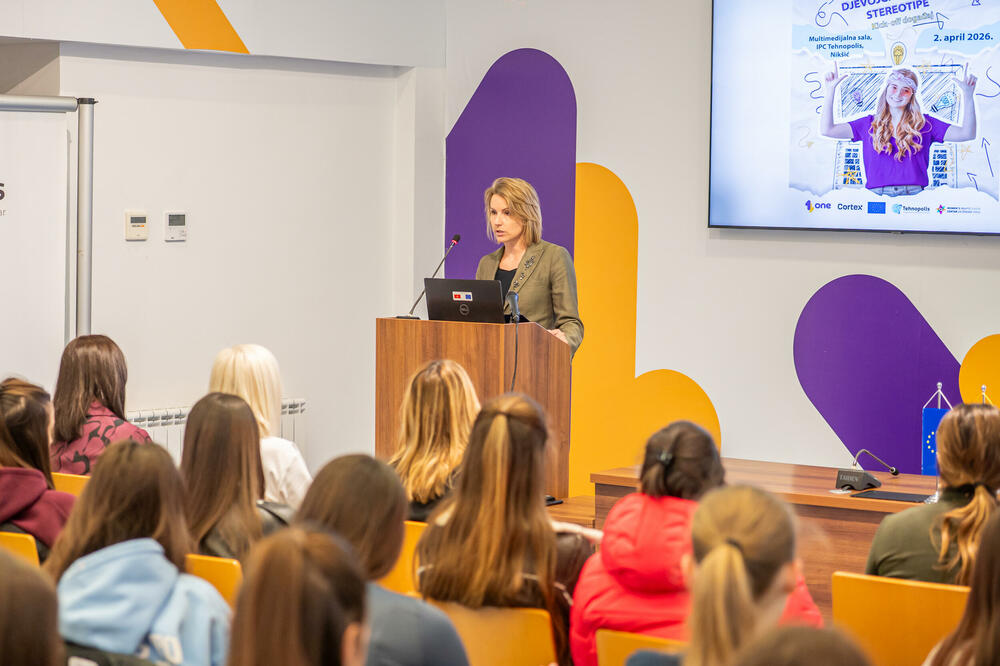
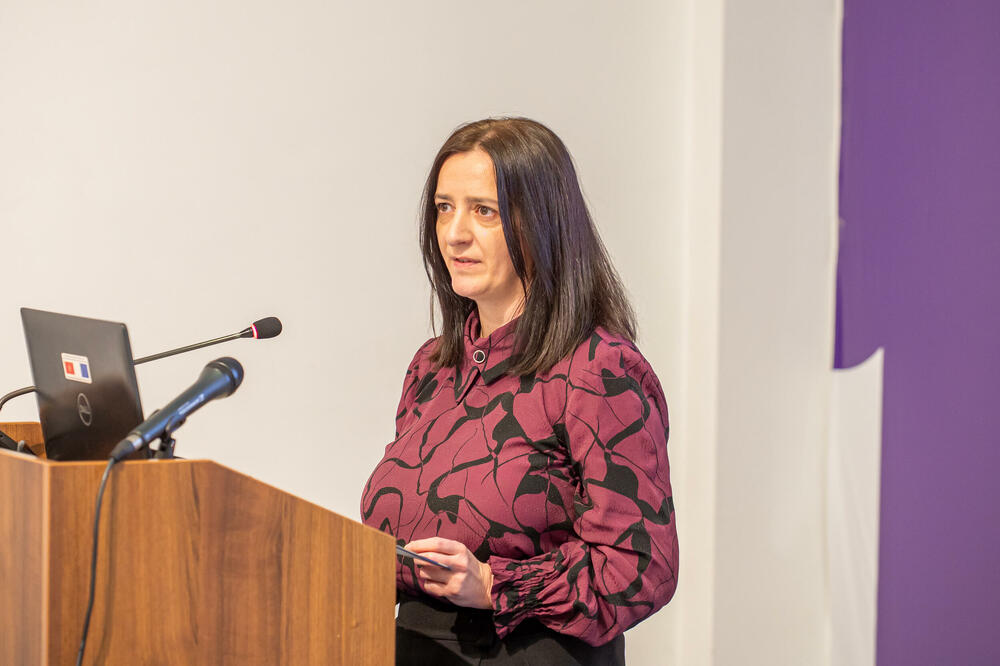
“At Tehnopolis, we provide girls with concrete knowledge and experience through workshops and hands-on practice. We give them the opportunity to develop skills and challenge stereotypes holding them back before they even try. These programmes are not just about education. These programmes are the beginning of change — one in which we see girls as future leaders of the technological landscape,” said Vanja Zorić Šundić, Assistant Director at IPC Tehnopolis.
Challenge for Girls: Take Control of the Narrative and Show How to Break Stereotypes
Change begins when girls themselves speak out. That is why the company One invites female students to show what “hacking” stereotypes look like in their own world through digital work: a comic strip, short video, interactive poster, or another creative format.
Submissions should be sent to the designated email address by mid-April.
The works will be presented at a digital exhibition on 21 April at the Science and Technology Park of Montenegro, where the best authors will be awarded and, at the same time, become a symbol of social change.
“Because the future of technology must not have predetermined limits — and it is precisely girls who can push those boundaries,” is the message sent by One together with its partners.