


To mark International Day Against Homophobia, Transphobia and Biphobia (IDAHOBIT), Europe House Podgorica hosted the postcard exhibition “Podgorica Queer Stories” and a panel discussion on the position and rights of LGBTIQ+ people in Montenegro.
The events were organised as part of the “Podgorica Queer Stories” initiative, implemented by the Department for LGBTIQ+ Persons within the Secretariat for Social Welfare of the Capital City, in cooperation with CEDEM and Europe House, with the support of the European Union.
The postcard exhibition, featuring illustrations by visual artist Andrijana Vešović – Zombijana, presents authentic experiences of queer people in Podgorica through personal testimonies, anecdotes, and everyday situations reflecting the diversity and richness of life in the city. The aim of the campaign is to increase the visibility, understanding, and inclusion of LGBTIQ+ people through art and public dialogue.
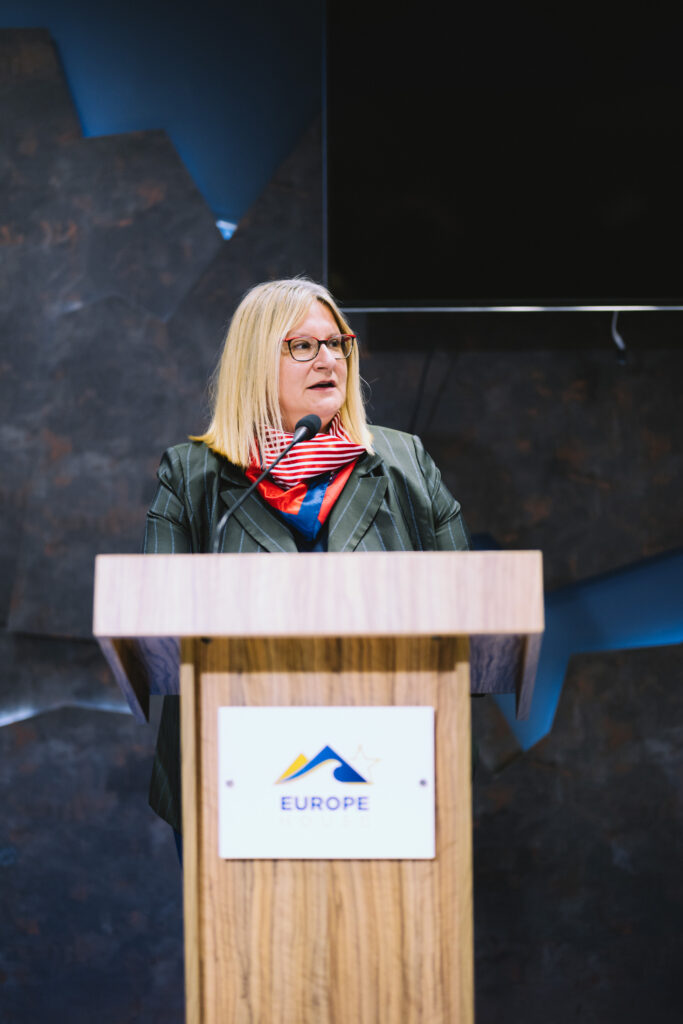
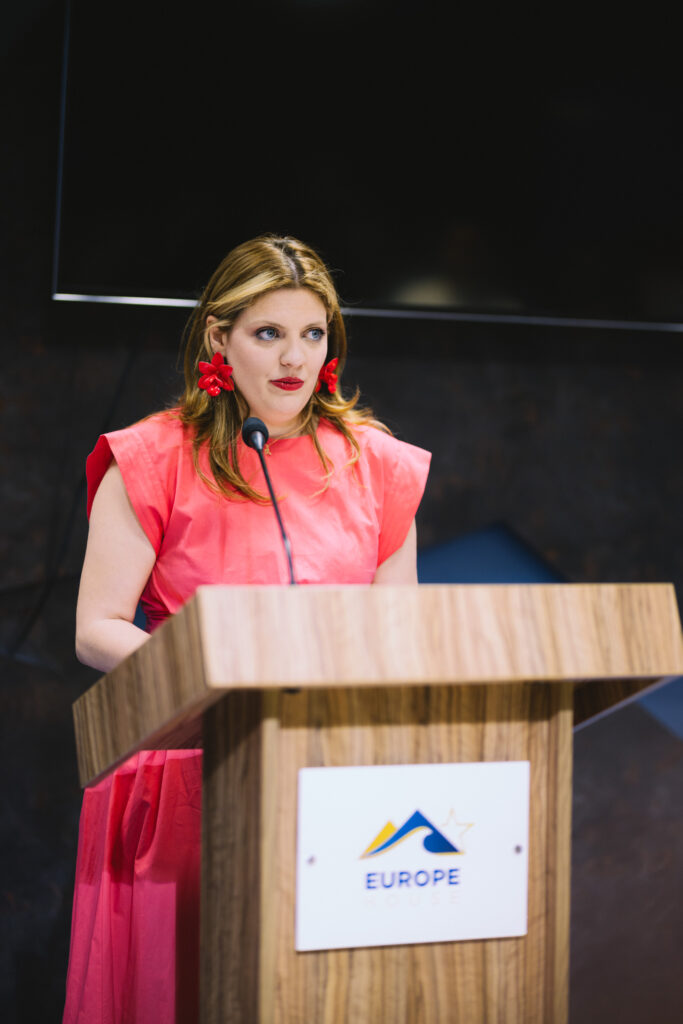

The exhibition was opened by the Director of Europe House, Nataša Beširević, Marica Vlahović from the Secretariat for Social Welfare of the Capital City, and the Director of CEDEM, Nevenka Vuksanović.
During the opening, it was emphasised that empathy, understanding, and solidarity are essential for building a more inclusive society, and that human rights and visibility must not be privileges, but rights belonging to every member of society.
The panel discussion brought together representatives from institutions, civil society, the media, and activists, with the aim of fostering dialogue on the challenges faced by the LGBTIQ+ community in Montenegro.
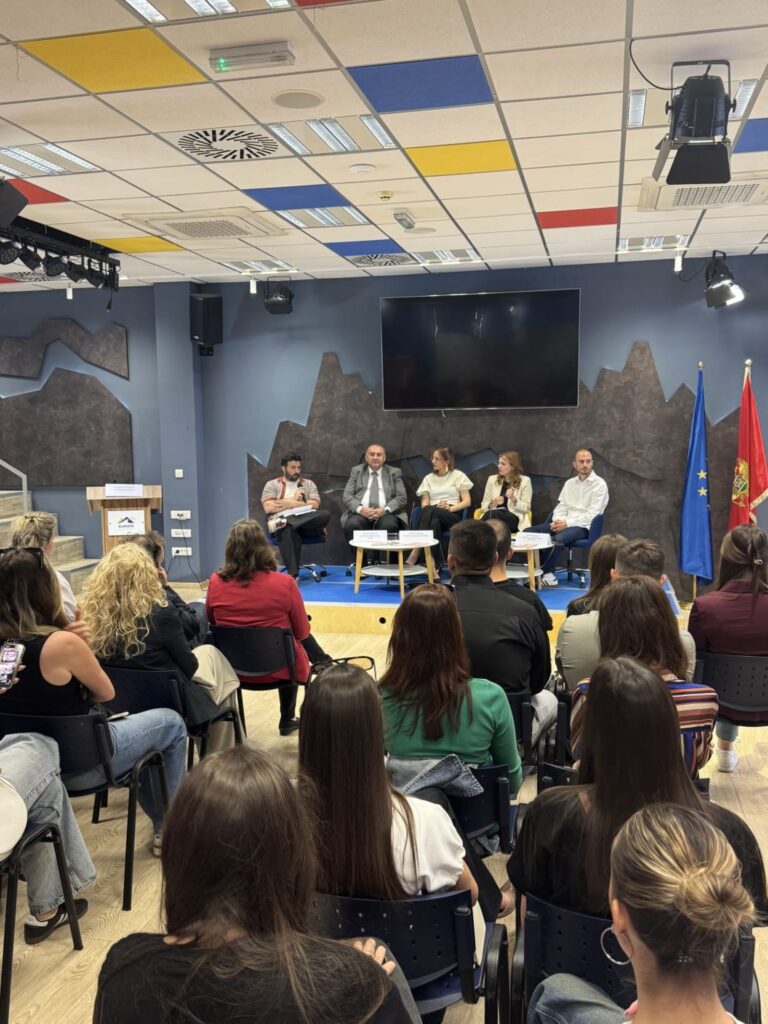
The panel featured Siniša Bjeković, the Protector of Human Rights and Freedoms; Marica Vlahović from the Department for LGBTIQ+ Persons; Katica Maksan from CEDEM; and Balša Dragojević from the organisation Queer Montenegro, with journalist Srđan Kosović moderating the discussion.
Particular attention was devoted to the new ILGA Rainbow Map report, which shows that, despite certain legislative and institutional progress, LGBTIQ+ people continue to face discrimination, hate speech, and social stigmatisation. The participants stressed the need for stronger institutional protection, greater visibility, and the consistent implementation of existing laws and policies.
It was concluded that safeguarding the rights and freedoms already achieved requires continuous engagement from institutions, civil society, the media, and citizens, as well as the creation of space for open dialogue, understanding, and authentic representation of the experiences of the LGBTIQ+ community in Montenegro.