


Proposal of the ecological network Natura 2000, adopted by the Government of Montenegro, constitutes one of the key obligations in the negotiations with the European Union within the chapter 27. If this proposal is confirmed by the European Commission, more than 44% of the state territory will become a part of the largest European nature protection network that protects biodiversity and at the same time ensures sustainable development of local communities.
Bear, Dalmatian pelican, sea meadows of Neptune grass and hundreds of other plant and animal species could soon get their places in the largest European nature protection network. Their habitats are in the proposal of the ecological network Natura 2000, recently adopted by the Government of Montenegro, which is one of the most important steps in the negotiations with the European Union within Chapter 27 – Environment and Climate Change. The final word about this proposal of the government will come from the European Commission. The title, which to the citizens often sounds complicated and too administrative, hides the system which simultaneously protects Europe’s most valuable nature areas and ensures their sustainable development. That is why experts say that Natura 2000 is not a network of restrictions, but a network of opportunities – to preserve biodiversity, develop local communities and use European funds. Ministry of Ecology, Sustainable Development and Northern Region Development says that the proposal of the area of ecological network, i.e. the network Natura 2000, includes 58 Sites of Community Importance and 32 Special Protection Areas for birds on the land. As for the sea, the proposal includes seven Sites of Community Importance. This ministry explains that these areas include 50.9% of the land and 7.06% of the sea, i.e. 44.15% of the total territory of Montenegro. Some are already under national protection, like all national parks, Park of Nature “Piva” and Monument of Nature “Canyon of Cijevna”, but there are those that have not been under national protection so far, like Nikšić Field, Ćemovsko Filed and Rumija.
“Establishment of ecological network, i.e. network Natura 2000, is Montenegro’s key obligation in the process of accession to the EU, defined in the closing benchmark 5 within the Chapter 27 – Environment and Climate Change”, says the Ministry of Ecology, Sustainable Development and Northern Region Development. They underline that the network Natura 2000 is to be established upon joining the European Union and that this step is of great importance for an adequate protection of habitats and species that are recognized as important on the European level. With this, Montenegro gets another system of additional preservation of natural values. Delegation of the European Union in Podgorica also confirms that establishing the network Natura 2000 is one of the most important obligations within chapter 27 and the key indicator of Montenegro’s preparedness to apply the EU acquis in the field of nature protection. “It is not just a technical requirement; it is also a proof of the capacity of the state to protect biodiversity in line with European standards. Natura 2000 is the corner stone of the EU policy in the field of nature protection, and it has the key role in preserving the most valuable habitats and species in Europe. After the Government adopted the Information about the proposal of the environmental network Natura 2000 in Montenegro, the state reached the key turning point in the accession process and thus entered into the next stage of the procedure to establish the Natura 200 network,” says the Delegation of the European Union in Montenegro.
The message of the non-governmental sector is that the adoption of the proposal for the area of ecological network Natura 2000 is not only an important step on the path towards the membership in the European Union, but a decision that defines how we want to develop Montenegro in the decades ahead. Centre for Protection and Research of Birds (CZIP) emphasizes that Natura 2000 is not a network of restrictions, but a framework that ensures that nature is protected, while tourism, agriculture and forestry are developed in a sustainable way.
“It is particularly important for inhabitants of rural areas, since it creates new opportunities for them to work on development based on preserved nature, sustainable practices and use of European funds. That is why Natura 2000 is a development opportunity for Montenegro – a model where nature is not an obstacle to development, but its most valuable resource. Therefore, the inhabitants of rural areas should be among the first to get clear, accurate and timely information about what Natura 2000 brings, which opportunities it creates and how it will be implemented,” underlines CZIP.
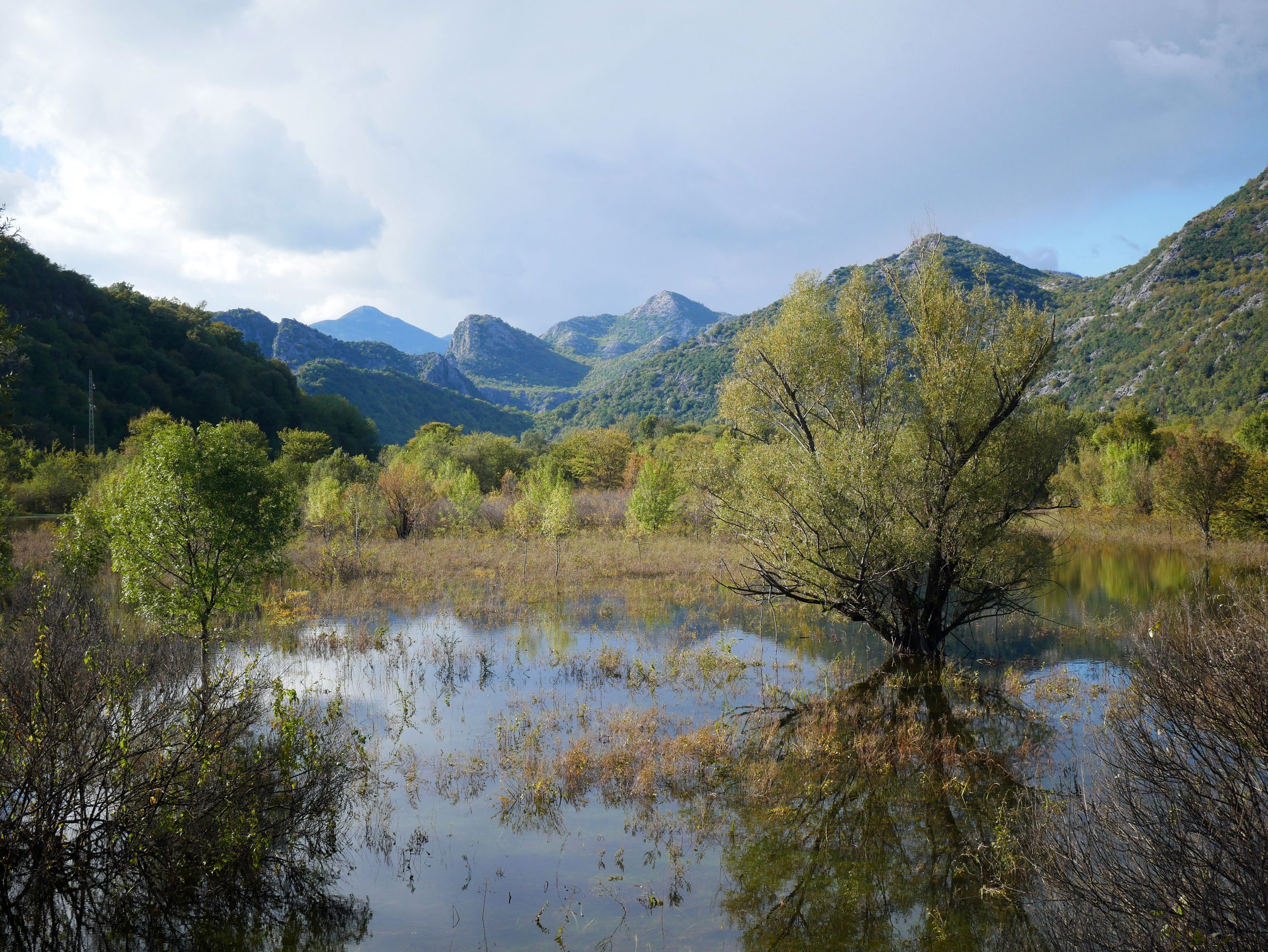
The line ministry also emphasizes that Natura 2000 areas especially focuses on human aspect.
“Without certain human activities, like maintaining agricultural land or cattle breeding, the presence of species and representativeness of habitats can change. So, if an agricultural land is within the Natura 2000 area, that may mean that certain subsidies will be paid. Decision on whether a certain activity can be done in the Natura 2000 area will be a product of an acceptability assessment – the procedure which ultimately defines what is the impact on the protected habitat or species in a particular location. If the impact is negligible, the activity can be approved. So, these assessments are individual”, explains the Ministry of Ecology, Sustainable Development and Development of the North.
Executive Director of the NGO Green Home, Azra Vuković, thinks that the very fact that it has been proposed for the network Natura 2000 to cover 44% of the territory of the country shows that, from the aspect of biodiversity, Montenegro is exceptionally valuable. Although happy about the achieved results, Vuković warns that the manner of managing the protected habitats has to be defined in an adequate, clear and precise way.
“Some habitats are in the territory of local self-governments only, and in some local self-governments there are no managers of protected areas at all. So, there is a whole range of open issues that are to be defined and worked on in the period ahead”, says Vuković.
The Ministry of Ecology, Sustainable Development and Northern Region Development says that they work on the preparation of the framework to manage Natura 2000 network.
“Work on this activity is made easier because we know the territorial coverage of the proposed Natura 2000 network, which is possible to be modified after the comments of the European Commission. This is a complex and very important process since the protection of these valuable areas depends on the establishment of the adequate framework, i.e. management system,” says the Ministry.
European Union also expects continuous efforts on the strengthening of institutions to ensure efficient management and protection of these areas.
“Equally important is to maintain an inclusive dialogue with local communities, civil society, users of the land and other stakeholders, since a broad understanding and support of the public will be of key importance for a long-term success of the network”, says the Delegation of the EU.
They emphasize that European Union has been a partner to Montenegro for many years providing support in preparations for Natura 2000 through IPA projects focused on mapping biodiversity, research, strengthening of institutions and alignment with the EU acquis in the field of environment.
“As the process now transits from the stage of identification to the stage of assessment of the proposed network and its future implementation, the EU remains committed to supporting Montenegro within Chapter 27. Continuation of cooperation will be focused on strengthening institutional capacities, development of efficient management systems and ensuring long-term protection of the Nature 2000 area. Future support will continue in line with Montenegro’s accession priorities and available EU financing instruments,” concludes the Delegation of the European Union in Podgorica.
Author: Bojana Milićević, journalist at Radio Montenegro
This article was published in the 18th issue of the Eurokaz magazine.