


A bronze Europa Nostra plaque was ceremonially presented for the “Pacijenca” project to the Kotor Municipal Public Institution ‘Museums’ at St Tryphon’s Cathedral. “Pacijenca” is dedicated to revitalising, presenting, and passing on the skill of making Dobrota lace. The ceremony was held as part of European Heritage Days.
The “Pacijenca” project received the award in the category “Education, Training and Skills”, as one of 30 outstanding European projects and individuals from 18 countries. The winners were selected by a jury of ten cultural heritage experts from across Europe, following an evaluation of a total of 261 applications from 40 European countries.
Director of the Kotor Municipal Public Institution “Museums”, Dušica Ivetić, explained that the municipal institution began revitalising Dobrota lace in 2021, recognising that continuity was essential to the skill’s survival.
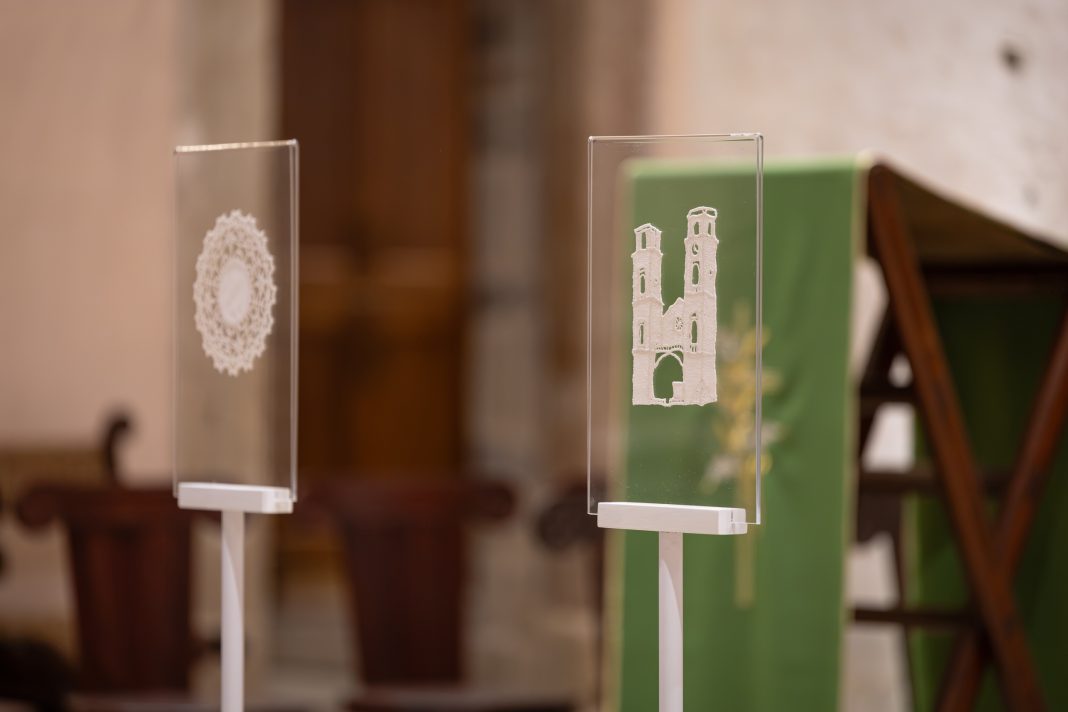
“The “Pacijenca” project required knowledge which, as the name of our project suggests, we approached with a great deal of patience. Over the years, we have sought to improve this process. We brought the lace to the city squares, developed a contemporary way of displaying and demonstrating it, took part in international festivals, organised an international lace festival in Kotor for the first time this year, and established links with other European lace-making traditions,” said Ivetić.
Secretary General of Europa Nostra Sneška Quaedvlieg-Mihailović recalled that the European recognition, which she described as a kind of ‘European Oscar for cultural heritage’, was returning to Kotor after 24 years. She highlighted the added symbolism of holding the ceremony at St Tryphon’s Cathedral because of the rain, as the project for the research, restoration and protection of the cathedral had received an award in 2002.
“In a world that is moving ever faster, ‘Pacijenca’ invites us to slow down a little, to be patient and, perhaps most importantly, to devote attention and care to our roots and traditions,” said Quaedvlieg-Mihailović, adding that the “Pacijenca” project goes beyond simply preserving the technique of making Dobrota lace, as it has brought together a new community of custodians of this knowledge and reconnected generations.
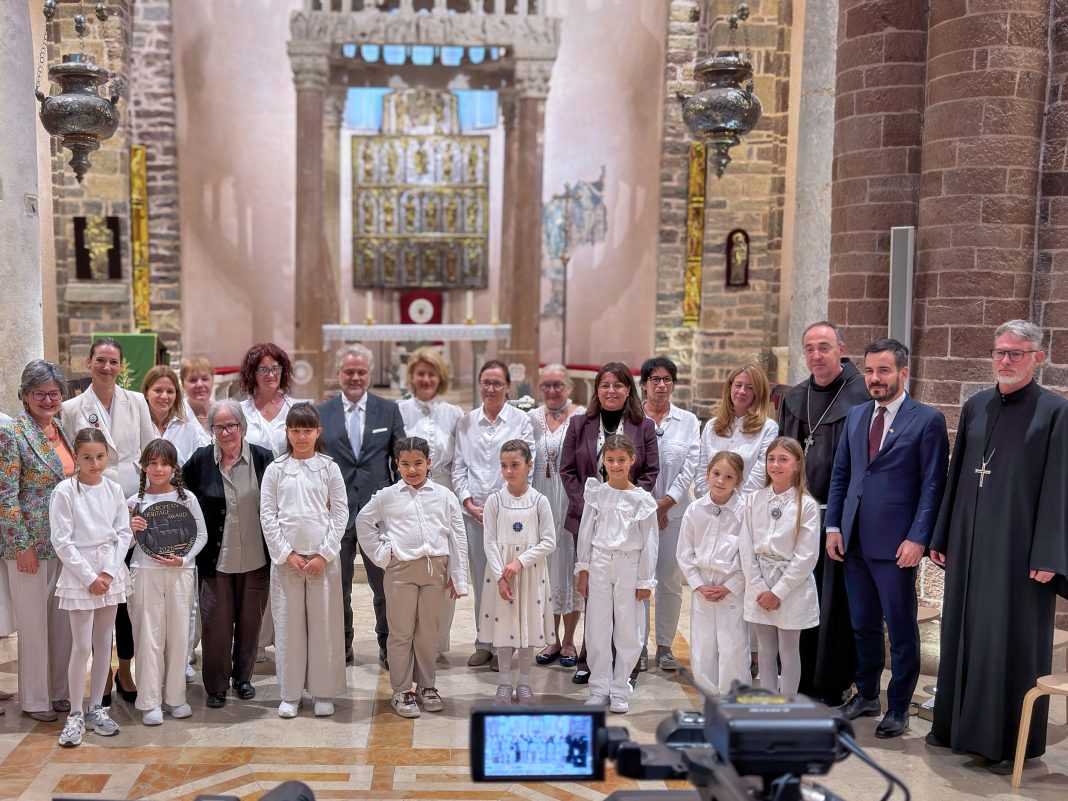
The Ambassador of the EU to Montenegro, Johann Sattler, stressed that Montenegro is much more than its renowned natural beauty and that its unique value is revealed through the inherited skills, traditions and knowledge preserved by generations. Speaking about the gusle, carpet-making, and other forms of intangible heritage nurtured in Montenegro, he emphasised that this accumulated knowledge, tradition, and memory connect today’s generations with people who lived in these lands hundreds of years ago.
President of the Municipality of Kotor Vladimir Jokić stressed that the formal presentation of the Europa Nostra plaque was not recognition of a single moment or a single achievement, but recognition of what Kotor is at its very essence.
“I believe that Montenegro will not be recognised only through Kotor, but that Kotor and all the city’s cultural heritage will be Montenegro’s gateway to Europe, and that Kotor’s cultural heritage will be a foundation for the future, just as it was a foundation of our continent in the past,” said the President of the Municipality of Kotor.
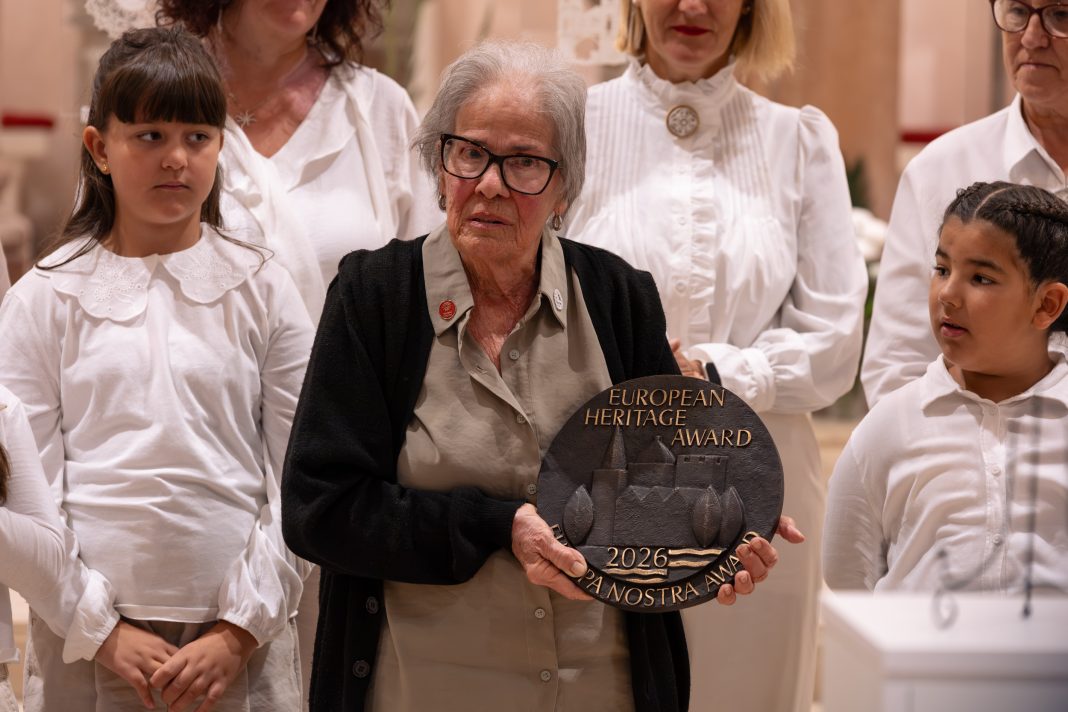
He expressed particular gratitude to the Kotor Municipal Public Institution ‘Museums’ and to Nadežda Nada Radović, an officially recognised custodian of the heritage and skill of making Dobrota lace, for restoring Dobrota lace to its place in community life.
Dobrota lace was declared an intangible cultural asset of Montenegro in 2013, and its continued existence connects generations of women from the Bay of Kotor who preserved and passed on the skill of making it.
Source: kotor.me