


At a meeting of the Steering Committee of the Western Balkans Investment Framework (WBIF), held in Split, Montenegro was granted €13.07 million from the EU Growth Plan for the Western Balkans, as well as contributions from bilateral WBIF donors, for the implementation of infrastructure projects in the field of education.
The funds relate to two projects of the Ministry of Education, Science and Innovation – the construction of four new kindergartens and two primary schools across Montenegro.
An approved grant of €5.82 million will support the construction of four kindergartens in Bar, Berane, Ulcinj and Podgorica (City kvart), within a project implemented in cooperation with the Council of Europe Development Bank (CEB). The total value of this investment amounts to €27.6 million.
In addition, a grant of €7.25 million, supported by the European Investment Bank (EIB), is intended for the construction of two primary schools in Podgorica (City kvart) and Tuzi (Karabuško Polje), with a total value of €29.5 million.
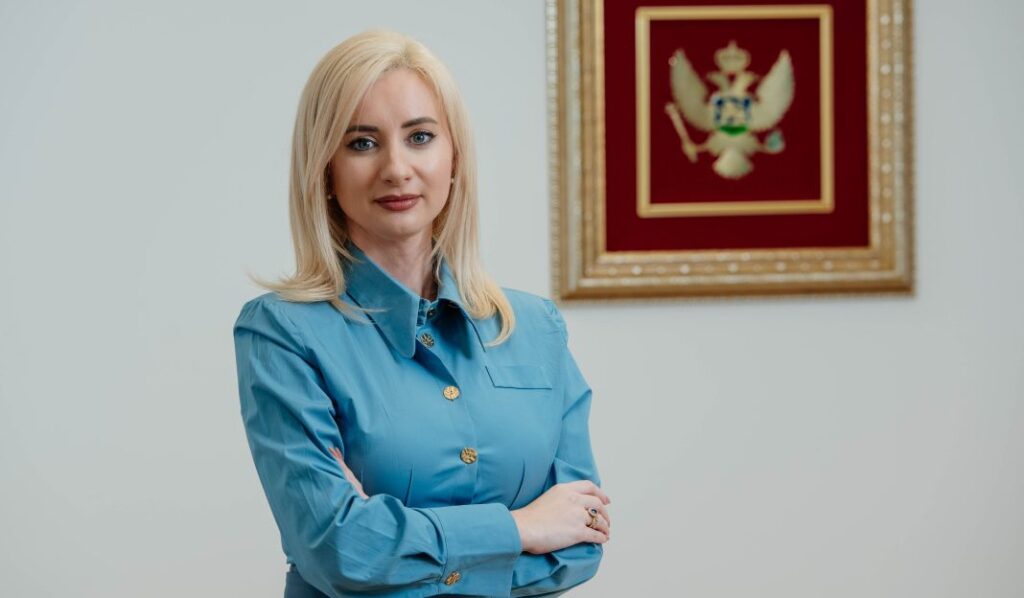
Minister of European Affairs Maida Gorčević emphasised that these projects confirm that European integration brings concrete and visible benefits to citizens.
“The benefits of the negotiation process with the European Union are visible and accessible to our citizens. I am particularly pleased that these funds are being directed towards education – a sector that directly affects quality of life and the long-term development of society. Through the Growth Plan, Montenegro is using European funds in a way that delivers lasting value, especially for the youngest generations,” said Gorčević.
Minister of Education, Science and Innovation Anđela Jakšić-Stojanović stressed that these are mature projects, as a significant part of them is already in the construction phase or in the final stages of contractor selection.
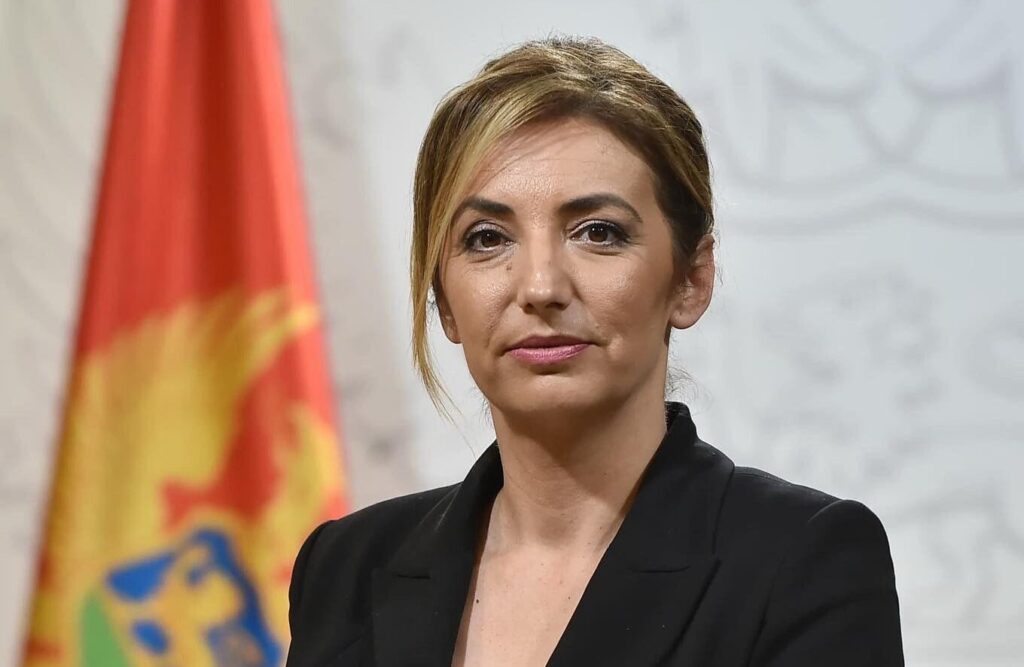
“In this way, we are directly responding to the needs of local communities and creating better conditions for children’s care and education, in line with modern European standards. Even now, it can be stated with certainty that these kindergartens and schools will be completed before Montenegro’s accession to the European Union, and will represent lasting and visible landmarks – true indicators of successful cooperation between Montenegro and the European Union during our country’s accession to the European family of nations,” Jakšić-Stojanović stated.
Minister Jakšić-Stojanović thanked the EU Member States that are bilateral donors to the Western Balkans Investment Framework for recognising the importance of the projects put forward by the Ministry of Education, Science and Innovation, as well as for their continued support for the development of educational infrastructure in Montenegro, enabling these important projects to be transformed into concrete and lasting benefits for children and local communities.
The approval of these projects further confirms the functionality of the Reform Agenda within the Growth Plan for the Western Balkans, as well as Montenegro’s institutions’ capacity to plan strategically, prepare projects to a high standard, and successfully implement projects of particular social importance.
Through its institutions and financial mechanisms, the European Union reaffirms its role as a leading and reliable partner in the largest education investment cycle in Montenegro. From the end of 2023 to the present, more than €37.5 million in grant funding has been approved for infrastructure projects and the reform of the education system, alongside almost €70 million in loan support.
The Government of Montenegro continues its strong partnership with the European Union, with a clear goal – the development of an accessible, inclusive and competitive education system, fully aligned with European Union standards and serving every child in Montenegro.