


The guest at the EU Coffee Corner event at Europe House Bar was Eva Ponomarenkova, Ambassador of the Slovak Republic to Montenegro, who gave visitors a vivid insight into the relations between the two countries, her perspective on Montenegro’s European path, and the opportunities available to young people from Montenegro in Slovakia for education, mobility and professional development.
In conversation with moderator Dejana Petranović from Europe House Bar, the Slovak diplomat first addressed Montenegro’s EU integration process and the role of the Slovak Republic in supporting it.
“Slovakia actively supports Montenegro’s accession to the EU. We have particularly good cooperation between our respective ministries of Finance, and we are working on projects with the Central Bank of Montenegro. Our experts come to your country to help with reforms relating to the financial system,” Ambassador Ponomarenkova said.
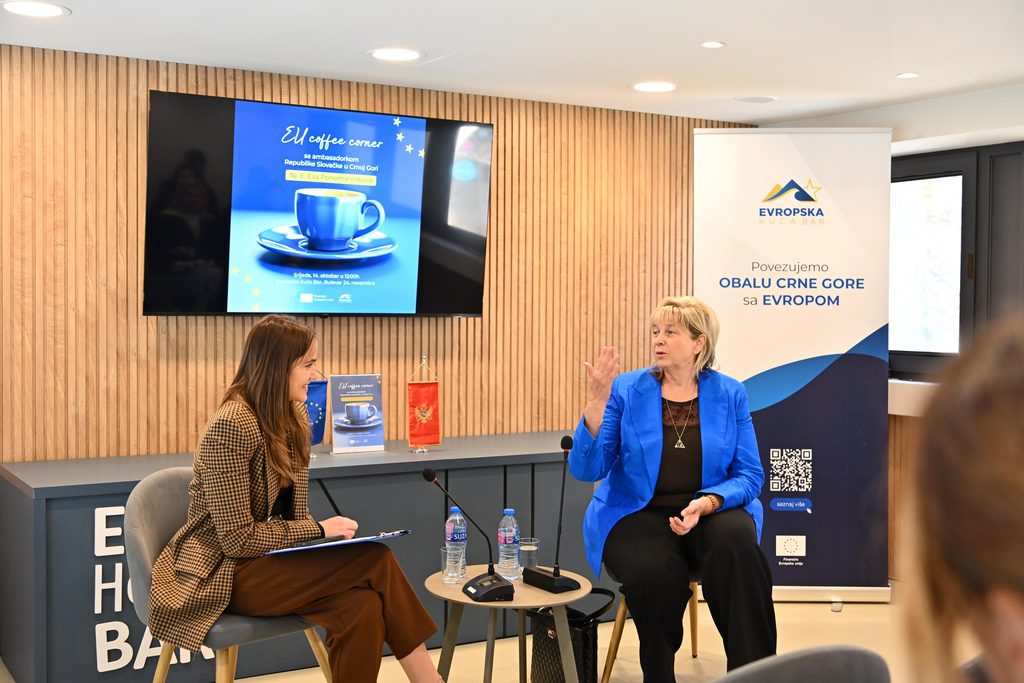
Ponomarenkova drew particular attention to the challenges posed by so-called ‘green policies’, which concern environmental protection, on Montenegro’s path towards EU membership.
“Chapter 27 is indeed one of the greatest challenges on the path to EU integration: how to find an appropriate way to preserve nature while meeting all the requirements of this chapter. Raising public awareness of the importance of environmental protection is extremely important. Given that you have some very beautiful national parks, good practice would be to limit the number of visitors, specifically to prevent pollution and protect the environment. Charging entrance fees for such protected natural areas is also good practice,” the Slovak Ambassador said.
Reflecting on cooperation between Montenegro and Slovakia in education and culture, Ponomarenkova outlined opportunities for further training and education for young people from Montenegro in Slovakia through scholarships and language schools. She encouraged young people to take advantage of EU programmes for international mobility and student exchanges.
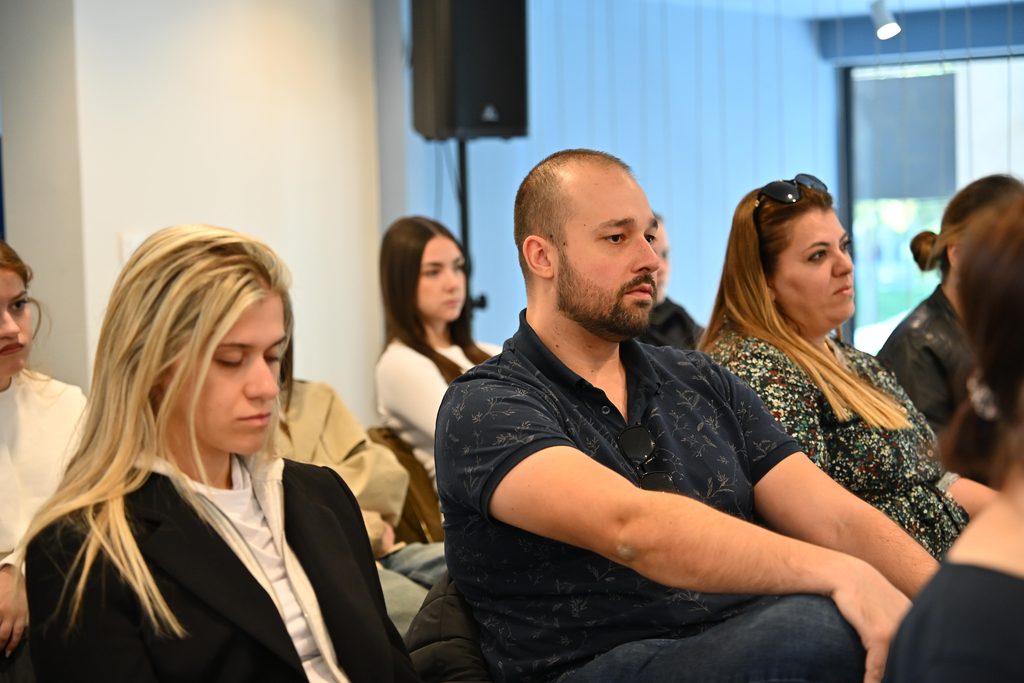
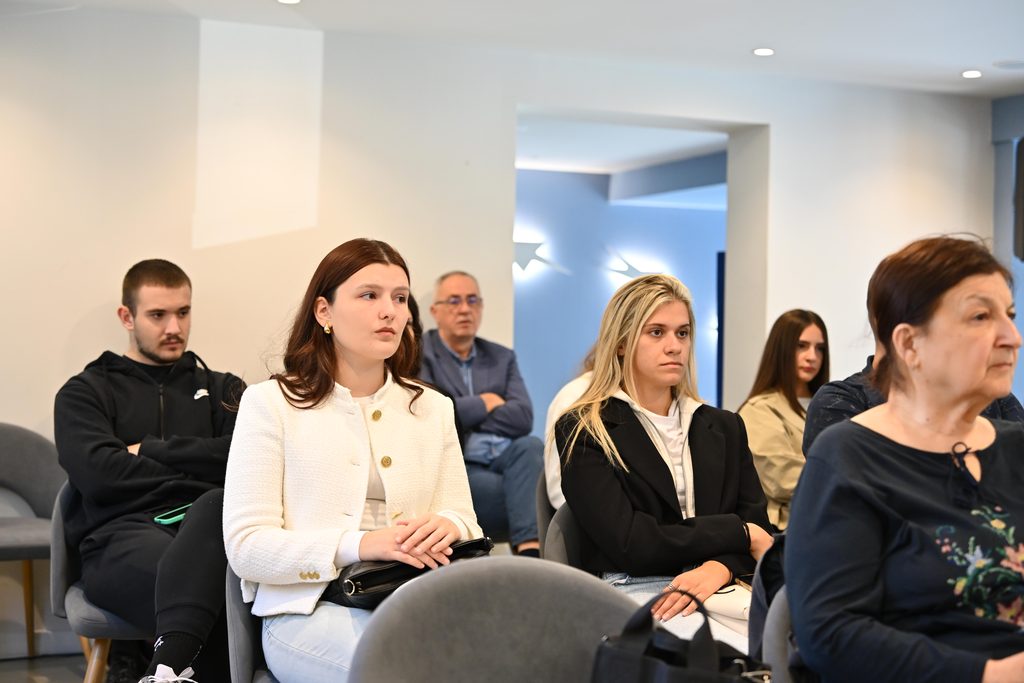
Ponomarenkova also spoke about her personal experiences during previous diplomatic postings in Canada and Australia, noting that she regretted that Slovakia was not as widely known or discussed in Montenegro as other, much larger EU countries. At the same time, she expressed great satisfaction at having found people in Montenegro who were interested in Slovakia.
“Folklore is a very important link between us, as it remains popular both in your country and in Slovakia. I am glad that young people are interested in it and have the opportunity to hear and learn more about our countries, among other things, through visits by folk dance groups,” Ponomarenkova said, concluding by inviting visitors and all other citizens to visit Slovakia and discover its natural beauty and cultural heritage.
Article source: Barinfo