


The Ambassador of the European Union to Montenegro, Johann Sattler, visited Gusinje, Plav and Andrijevica as part of the national “Čuvaj da te čuva” environmental campaign to discuss lasting solutions to illegal waste disposal and the protection of natural resources with representatives of local institutions and civil society activists.
The visit focused on the Jerine landfill, used by the municipalities of Plav and Gusinje, and the Sućeska landfill, located above the River Lim in Andrijevica, as well as Vardište in Plav, where a former illegal dump has been remediated and transformed into a well-maintained rest area.
“European integration is not just about closing negotiation chapters. It should bring visible changes to people’s everyday lives – cleaner rivers, a healthier environment and better-maintained communities. That is why, alongside making progress towards EU membership, we must work towards lasting solutions to environmental problems that have burdened local communities for years,” Ambassador Sattler said.
The visit began on the banks of the River Grnčar in Gusinje, where the Ambassador, together with the Mayor of Gusinje, Sanel Balić, and civil society activist Dino Mulamekić, discussed ways to prevent illegal waste disposal and gravel extraction.
“This site has long been a serious environmental problem for our municipality. I believe that, thanks to the equipment provided, we will be able to address it and continue tackling other environmental hotspots across the territory of Gusinje,” said Sanel Balić, Mayor of Gusinje.

Environmental activist Mulamekić expressed hope that Gusinje would become an example of a clean, well-maintained environment.
“Our goal is for Gusinje to be recognised across Europe as a town that protects its natural environment and takes its environmental responsibilities seriously,” Mulamekić said.
During the visit to the Jerine landfill, representatives of the relevant institutions discussed possibilities for establishing a sustainable waste disposal system and permanently remediating the site, particularly in light of the summer fires, which further highlighted the seriousness of the problem. In Plav, the remediation of Vardište was presented as an example of the successful transformation of a former illegal dump, while in Andrijevica discussions focused on the remediation of Sućeska and the protection of the River Lim.
Nihad Canović, Mayor of Plav, expressed readiness to address the long-standing waste disposal problem.
“With the support of the European Union, the Eco Fund and the relevant ministry, I believe we will find a lasting solution and make tangible progress towards meeting our obligations under Chapter 27.”
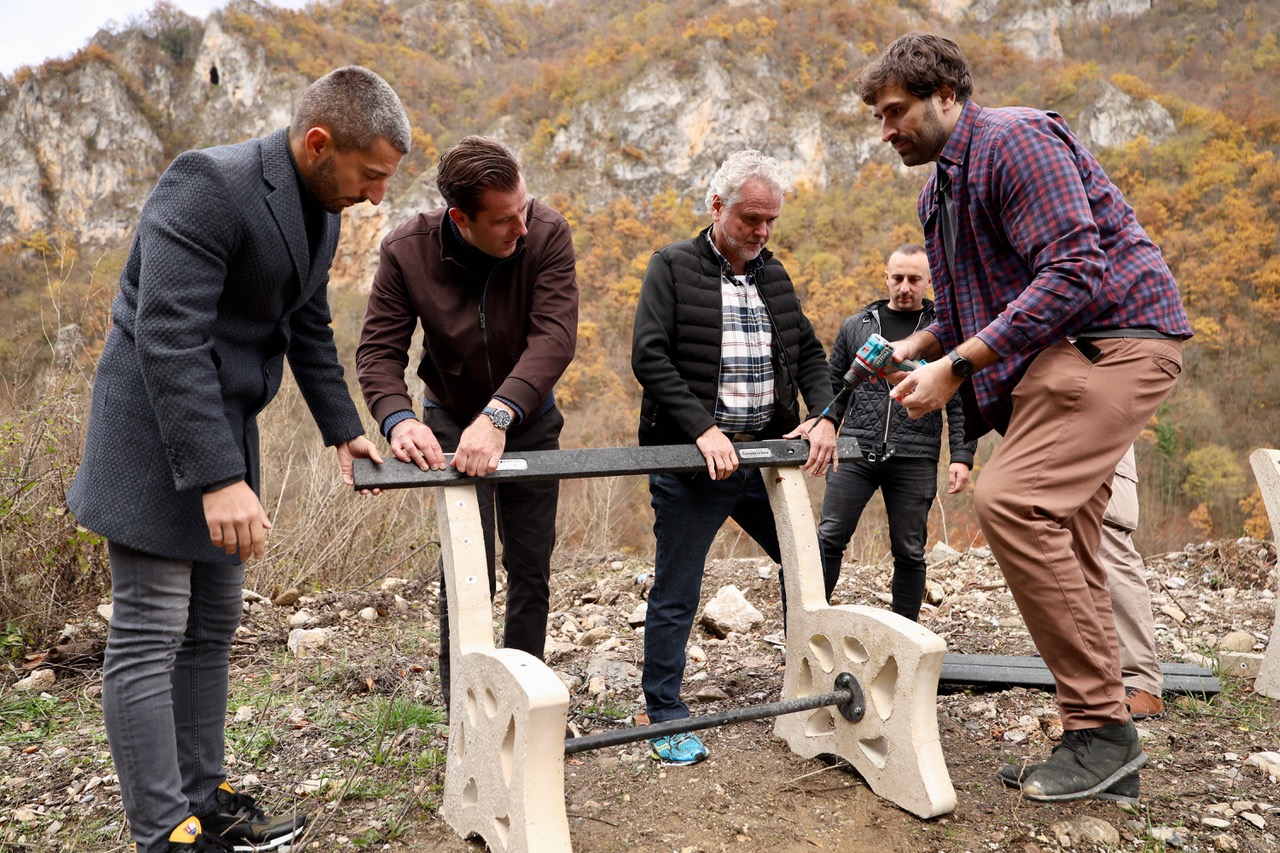
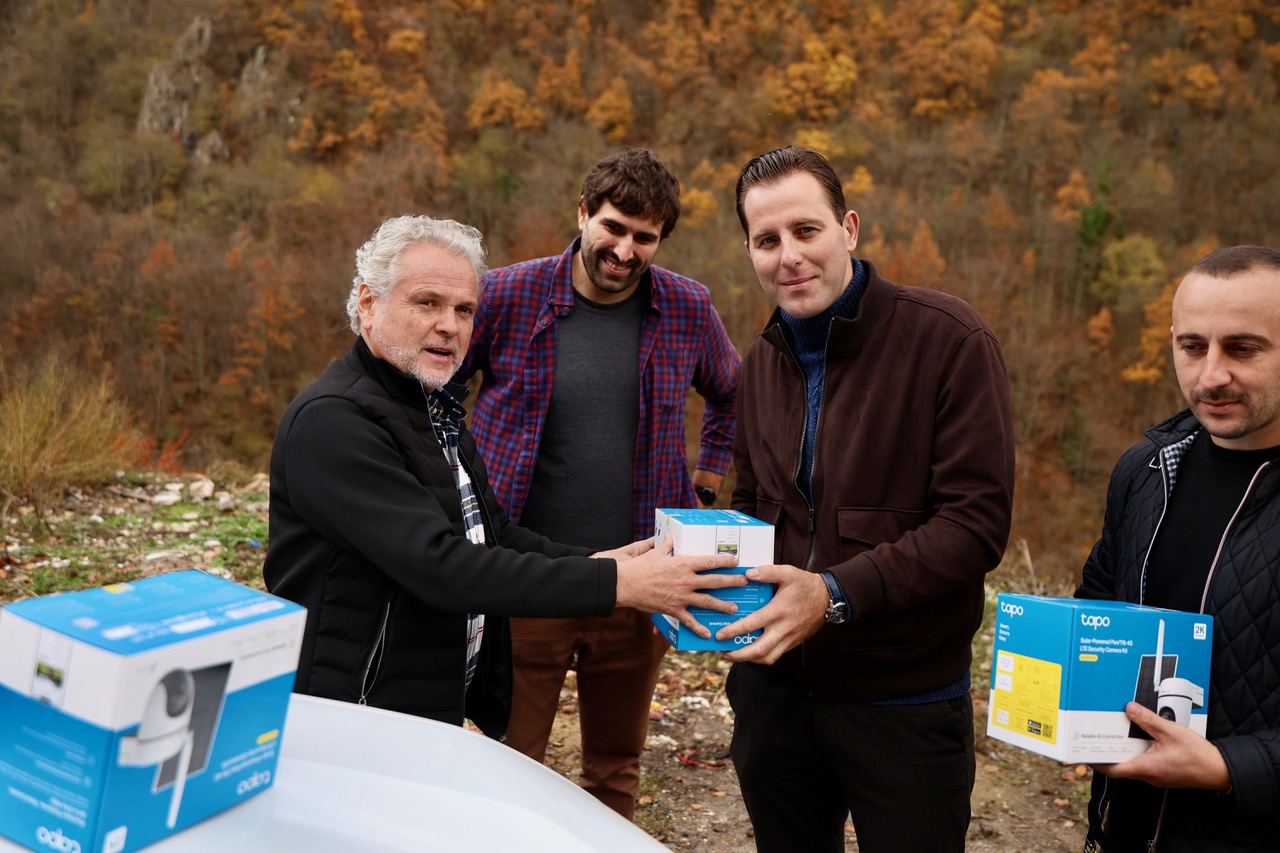
As part of the campaign, local authorities in Gusinje, Plav and Andrijevica received equipment, including surveillance cameras, benches, waste bins and warning signs.
The Ambassador recalled that, since the launch of the “Čuvaj da te čuva” campaign in June 2025, more than 300 kilometres of roads have been cleaned, support has been provided for the closure of five illegal dumps in Kotor, riverbanks and parts of the Bay of Kotor have been cleaned, hundreds of trees have been planted, and more than 1,000 citizens have taken part. Ten schools have also benefited from environmental education activities.
“These results show how much we can achieve through joint action. However, cleaning up is only the first step. True success lies in preventing waste from accumulating again and ensuring sustainable solutions. This requires cooperation between institutions, local authorities and citizens, as well as a long-term commitment from us all,” Sattler emphasised.
The “Čuvaj da te čuva” campaign, launched by the Delegation of the European Union in June 2025, continues to bring together institutions, local communities and citizens in a joint effort to make Montenegro cleaner and more sustainable.