Investment in modern equipment and the improvement of practical training are among the key steps towards strengthening vocational education in Montenegro. Through a project funded by the European Union under the Instrument for Pre-Accession Assistance (IPA), eight sets of new equipment have been procured to support practical training in six secondary vocational schools.
Schools in Podgorica, Golubovci, Pljevlja, Petnjica, Nikšić and Tivat have received modern equipment for catering, electrical engineering and agriculture through a project worth more than €300,000. The equipment has made it easier to implement curricula based on relevant occupational and qualification standards.
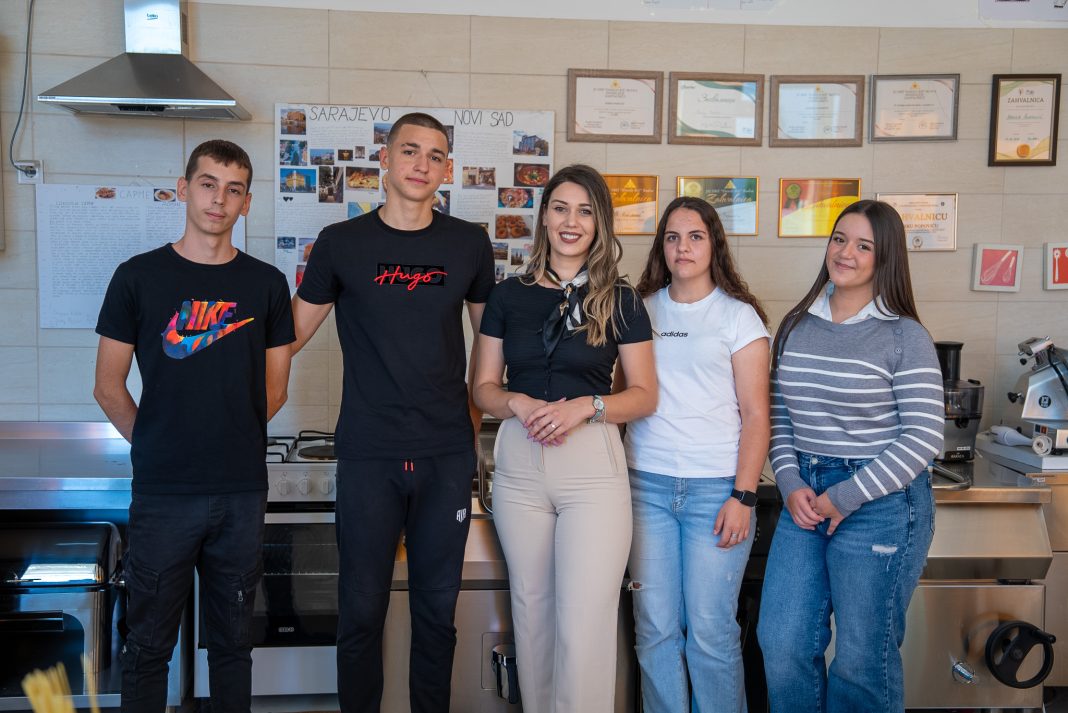
One of the beneficiaries of the project is the Golubovci Secondary Mixed School, where new catering and agriculture equipment has enabled students to put knowledge gained in theoretical lessons into practice.
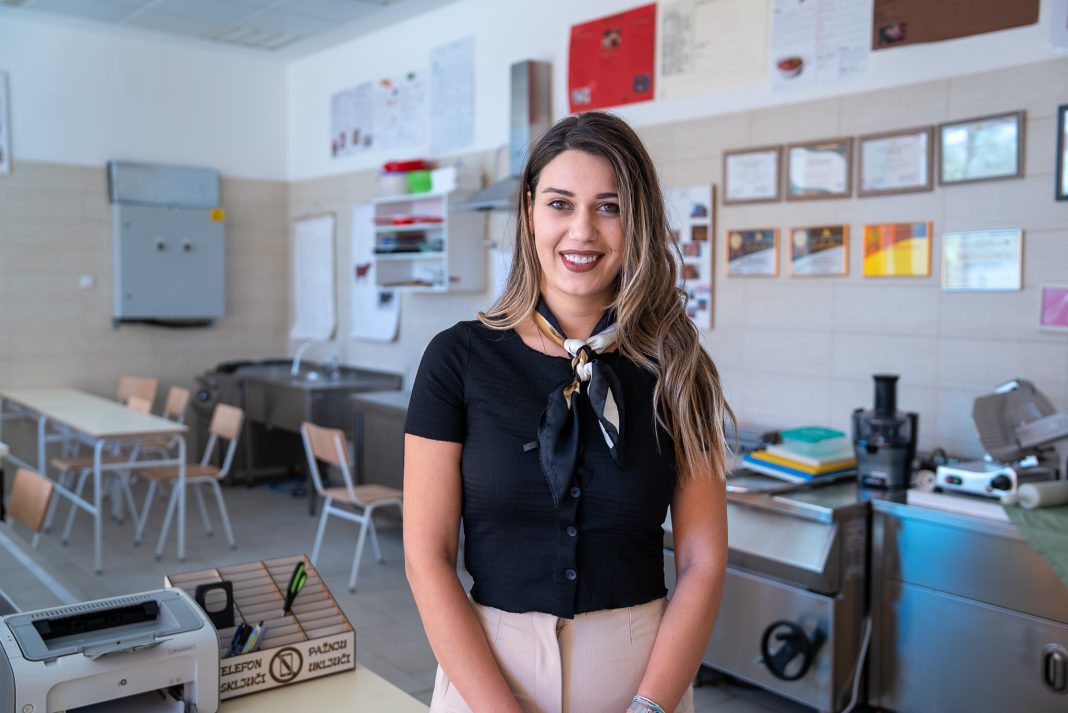
“This European Union project is extremely important to us. We have received equipment that helps us in practical cooking activities, and these are precisely the kinds of donations that make a real difference to our gastronomy and cookery programmes,” said Teodora Tvrdišić, a teacher at Golubovci Secondary Mixed School.
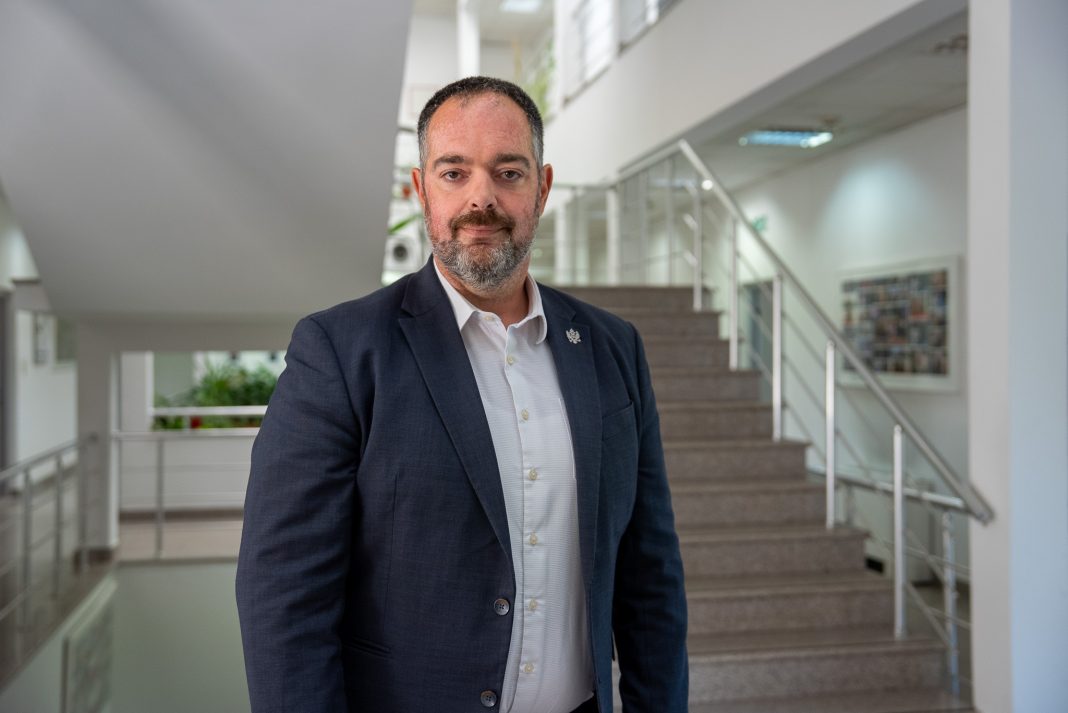
According to Marko Vukašinović, Director General of the Directorate for International Cooperation, European Integration and EU Funds at the Ministry of Education, Science and Innovation, the project is significant because it has enabled students to work in conditions that closely resemble a real working environment.
“It was very important for us to secure funding for this project through the IPA. In this way, we have provided modern equipment that allows students to develop their capacities, knowledge, skills and competences at school, working alongside their teachers. When they enter the labour market, they will be familiar with the working environment and won’t be faced with equipment they do not know how to operate,” Vukašinović emphasised.
As part of the project, Golubovci Secondary Mixed School received equipment worth more than €36,000.
“Such equipment is not procured often, and we were very pleased that we managed to successfully navigate the very rigorous procedures and ultimately see the equipment delivered to our schools,” Vukašinović noted.
In addition to catering, the equipment has also improved practical training in agriculture, giving students the opportunity to work with modern devices.
“Thanks to EU funding, we were able to obtain various devices and pieces of equipment needed for the regular delivery of classes. In this case, we received a spectrometer, which we use for various chemical measurements, as well as a pH meter for measuring the pH of aqueous solutions. We also received a tractor and a motor cultivator for use in practical training,” said Aleksandar Kaluđerović, a teacher of agricultural subjects at Golubovci Secondary Mixed School.
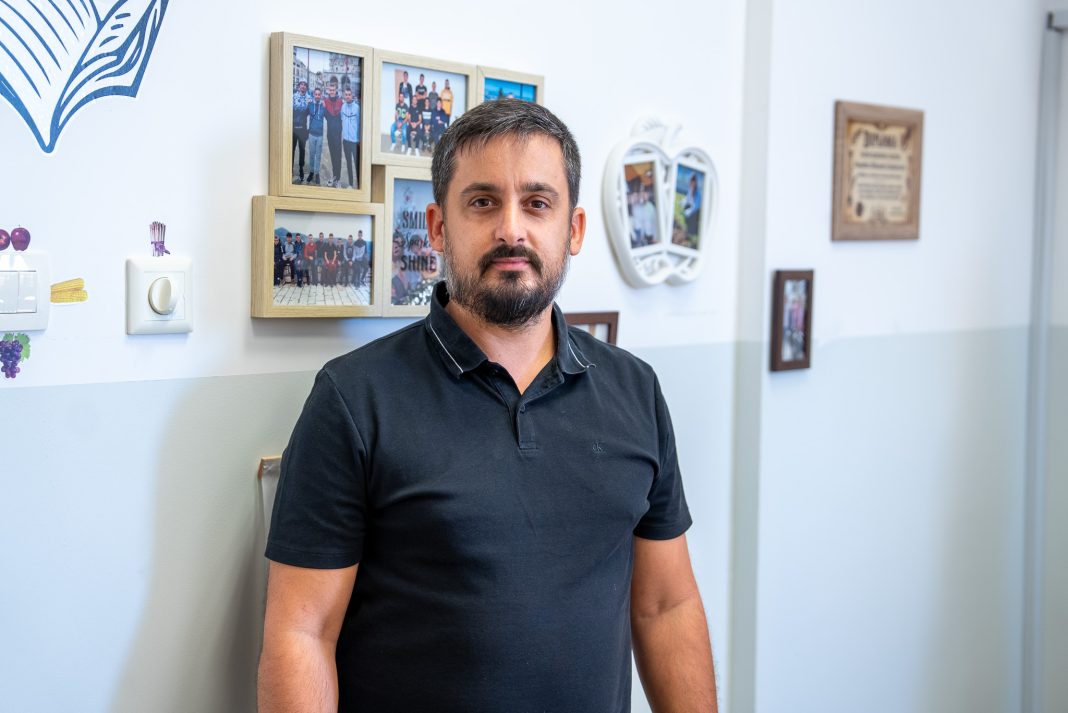
Students themselves see the greatest value of the project, as practical work gives them the experience they will need after completing their education.
“We can put into practice what we learn in class, which is very important for us. We can learn much more through practical work than by simply sitting in a classroom and listening,” said Andrej Pavetić, a student on the agricultural technician programme.
“With the help of the equipment, we prepare our favourite dishes, such as pasta and Bolognese, mainly Italian food. Through practical lessons, our teachers explain how to use all the equipment so that we know how to handle it properly,” said Sara Zlatičanin, a second-year student at Golubovci Secondary Mixed School.

EU-funded projects are an important mechanism for supporting the development of education in Montenegro. By investing in infrastructure and equipment, but above all in students’ knowledge, they help develop a skilled workforce equipped to meet the needs of the modern labour market. At the same time, the Ministry of Education, Science and Innovation concludes that such projects pave the way for continued international cooperation and further investment in the education system. Through cooperation with the European Investment Bank, nine secondary vocational schools in Montenegro will be renovated and equipped in the coming period, continuing efforts to create better conditions for learning, practical training and skills development.
Photo and article source: ME4EU