


Open borders give young people more opportunities to study, work and gain experience across Europe, but they also raise an important question for Montenegro: how can the country create conditions where staying, returning, and pursuing a career at home become genuine options? This was the focus of the panel discussion entitled “How to Retain Talent: Montenegro and the Challenge of European Mobility”, organised in Bijelo Polje by the Ministry of European Affairs, with the support of the European Union through the EU4ME project, in cooperation with the Regional Youth Cooperation Office (RYCO) in Montenegro.
Maida Gorčević, Minister of European Affairs, said European integration opens more opportunities for young people to study, work, and gain experience, but stressed that it is equally important to ensure they have the conditions to stay, return, and develop their careers in Montenegro.
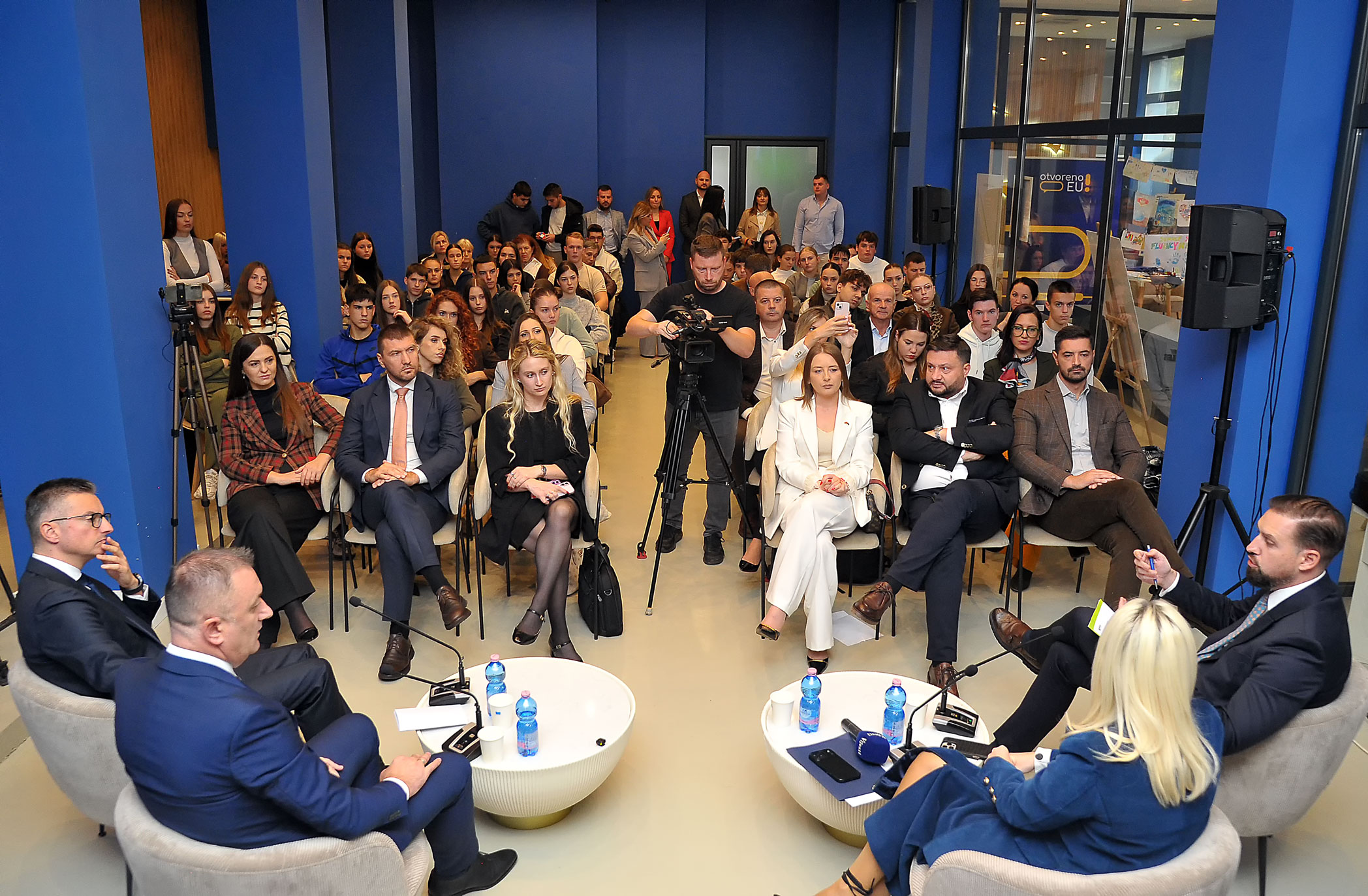
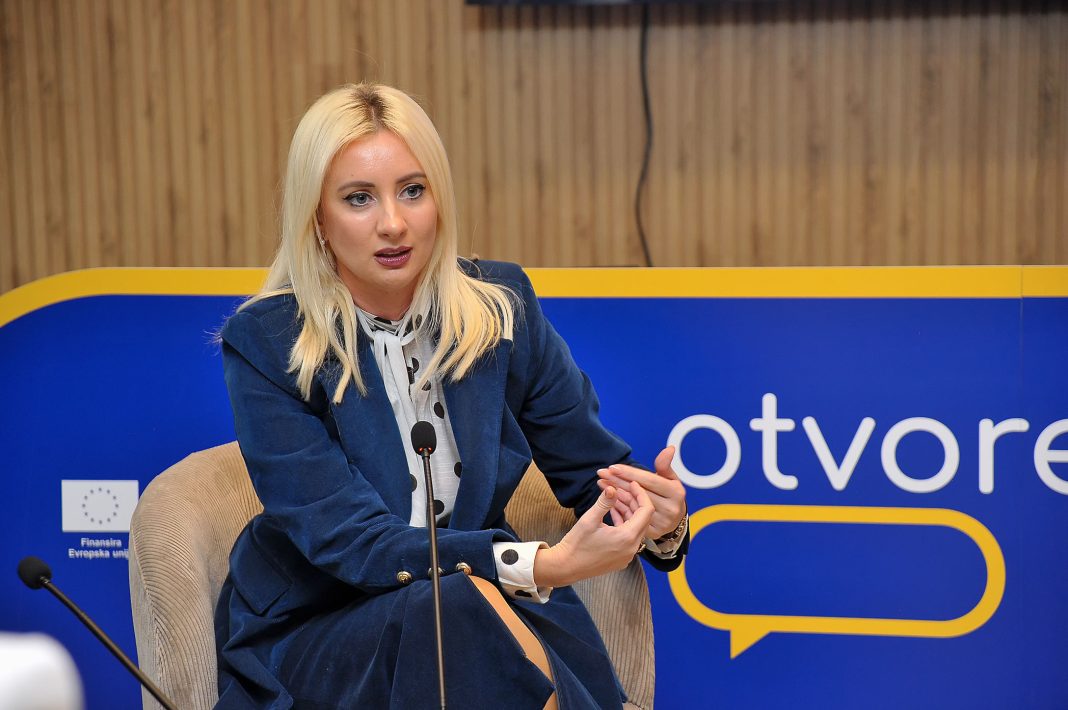
„Mobility should be a freedom of choice. We want young people to leave not because they have to, but to gain knowledge and experience and take on new challenges. At the same time, our task is to create conditions where returning, pursuing a career, and enjoying a good quality of life in Montenegro are genuine possibilities. Young people should not have to choose between Montenegro and Europe. We want Montenegro to become a place where they can fulfil their European ambitions,” Gorčević said.
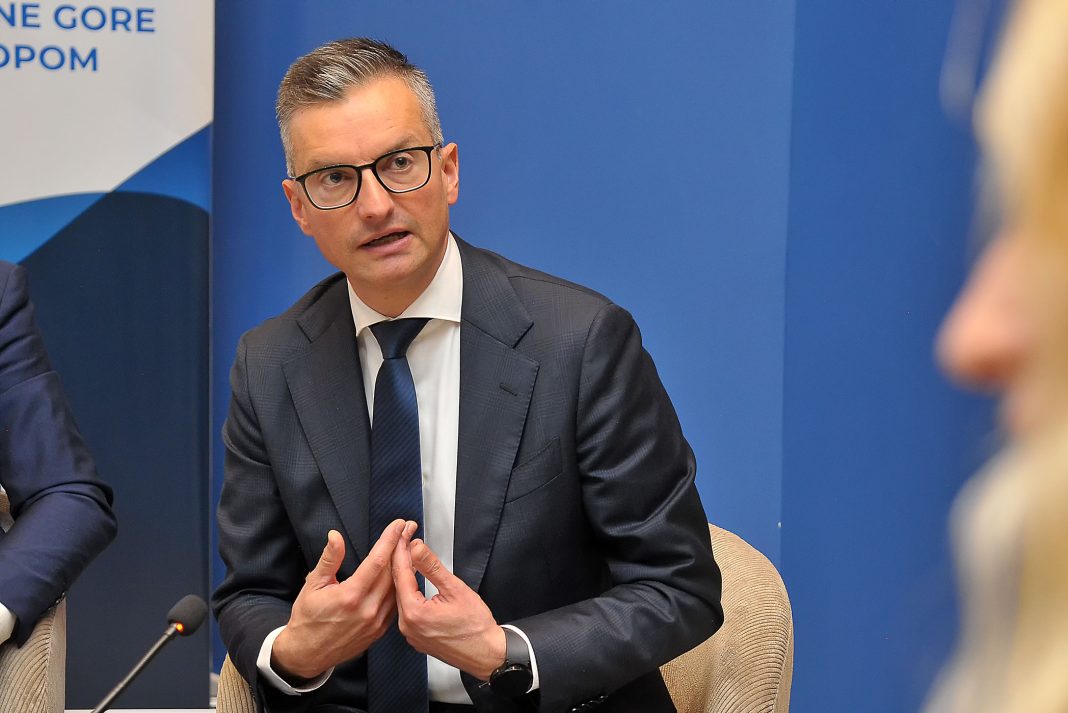
Reflecting on the experiences of Slovenia and other EU Member States, Marjan Šarec, Member of the European Parliament and the standing rapporteur for Montenegro, highlighted the value of the knowledge and experience young people gain abroad.
“Slovenia’s experience shows that people who have seen how things are done in other countries often go on to bring about change in their own, whether in businesses, universities or public administration. For this to happen, however, the government must maintain ties with them and engage with the diaspora, while society must welcome those who return as a success, not a failure. Young people who go abroad show us how much they can contribute when they return. It is up to us to open the door for them,” Šarec emphasised.
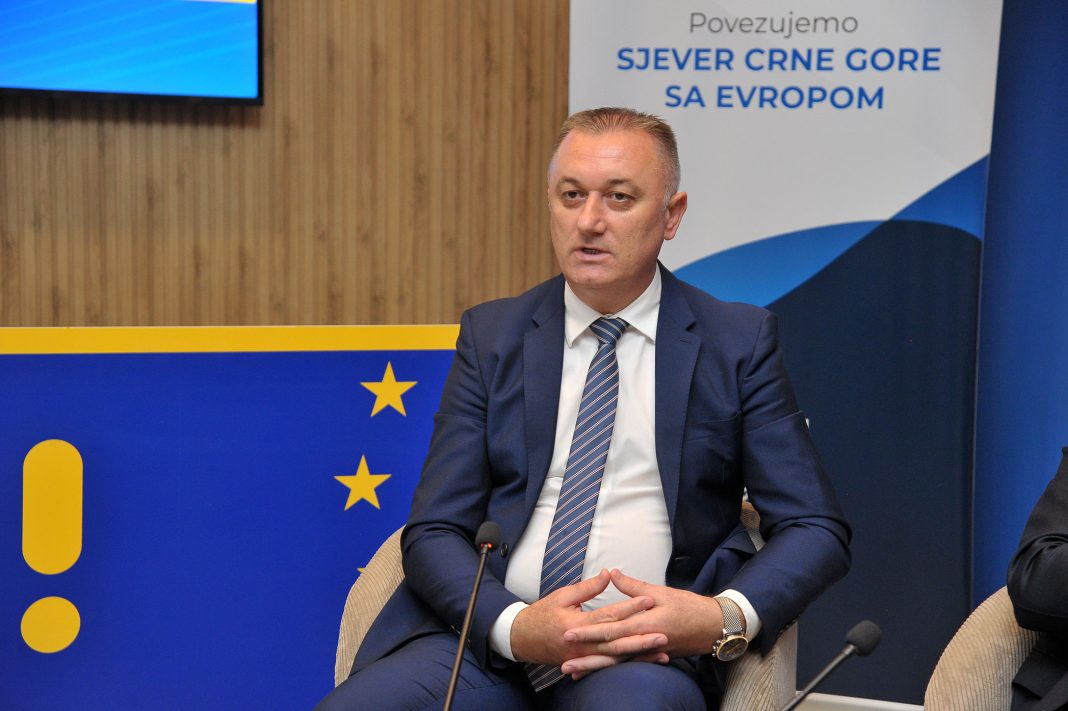
Speaking about the reasons young people leave, Damir Gutić, Minister of Social Welfare, Family Care and Demography, stressed that addressing demographic challenges requires a comprehensive approach that brings together economic development, employment, housing, education and support for families, particularly in northern Montenegro.
“We cannot expect young people to stay simply because they love their country. We must give them real opportunities to work, progress, start families and build their future here. Our goal is for young people to be part of Europe while still choosing Montenegro as the place where they want to live,” Gutić said.
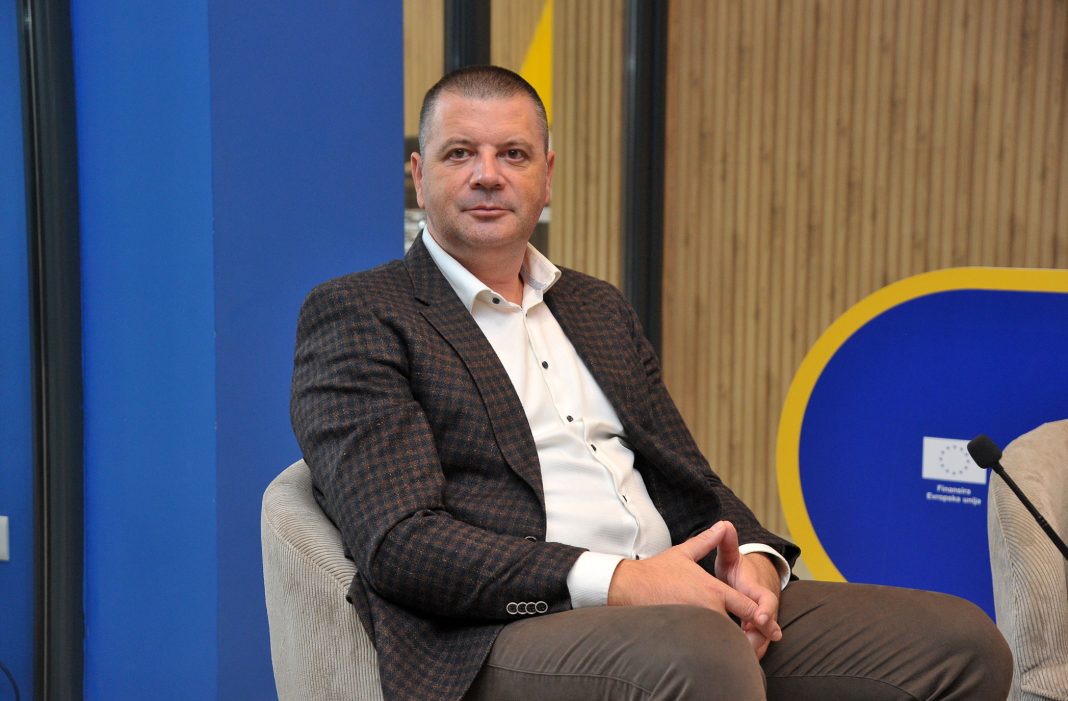
At the second panel, entitled “The EU Is Coming – Will Young People Stay?”, Radivoje Drobnjak, from the Science and Technology Park, highlighted the considerable entrepreneurial and creative potential of young people in Montenegro, stressing the need to nurture it systematically from the earliest stages of education.
“It is good for young people to have the opportunity to travel from an early age and complete part of their secondary or university education in an EU Member State or elsewhere in the world. However, I am confident that these experiences will bring them back to Montenegro, where they will be able to make much better use of the knowledge, experience and skills they have acquired abroad,” Drobnjak said.
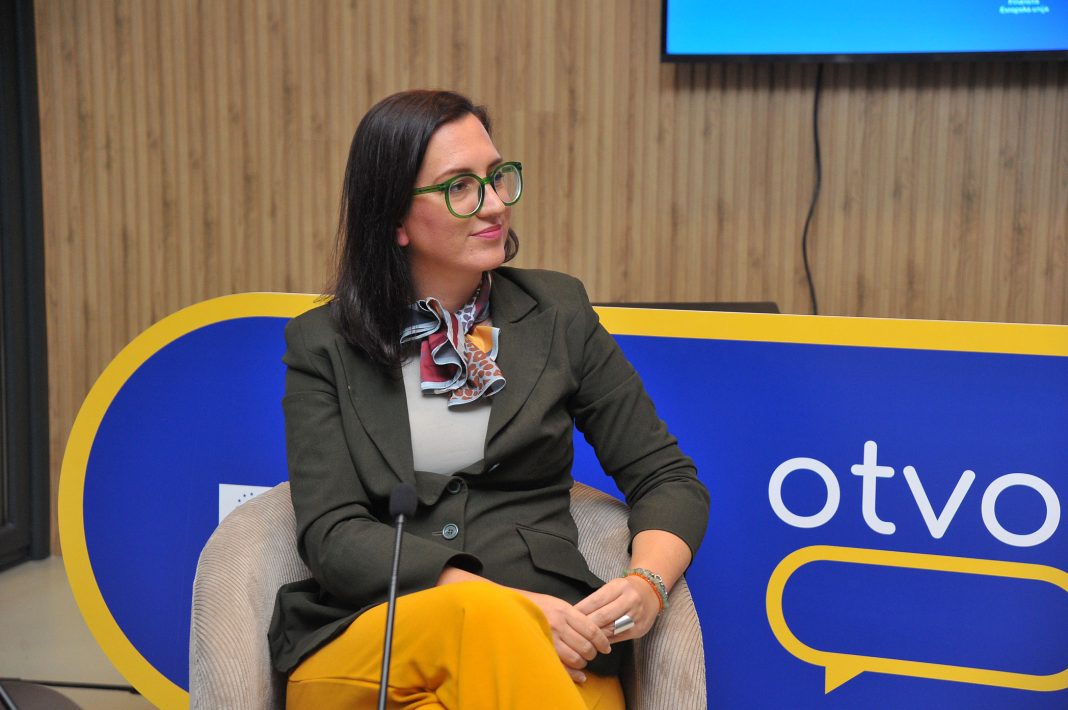
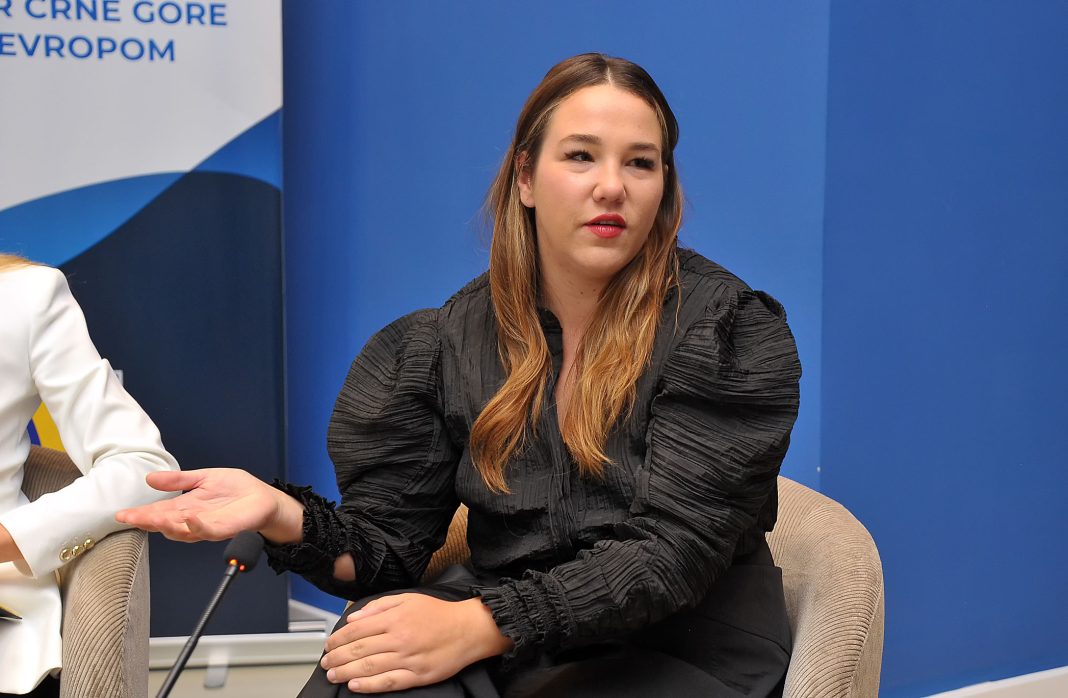
Aleksandra Simoni, a master’s student at the Faculty of Political Science and an entrepreneur, encouraged young people to take an active part in policymaking.
“I would like young people to be active, get involved and make their voices heard, because sooner or later, someone will have to listen to them,” Simoni said.
Katarina Vukadinović, a youth worker at the Youth Office of the Municipality of Budva, encouraged young people to make the most of the opportunities available to them, particularly those that will arise when Montenegro joins the European Union.
“If young people do leave, we should not see it as a sign of something irreversible or assume that they are leaving for good. They remain a valuable resource for us even when they are abroad, especially given the opportunities for online communication and digital cooperation. What matters is that we, as a country, give them a sense of belonging so that they never forget their roots,” Vukadinović said.
The event was organised as part of the “Openly About the EU” campaign, which the Ministry of European Affairs is implementing through the EU4ME project. The campaign aims to address questions, expectations, and concerns about Montenegro’s future EU membership through direct dialogue with citizens. The panel discussions featured contributions from Edin Koljenović, Head of the Regional Youth Cooperation Office (RYCO) in Montenegro, and Bojana Lalatović, a representative of RYCO Montenegro.