Budva comes alive to a special rhythm in summer. With a year-round population of around 27,000, the city becomes a destination for tens of thousands of tourists every day in summer. This intensity of life places additional demands on all city services, particularly the healthcare system, which must be ready to provide fast, high-quality support. That is why the enhanced capacities of the microbiology laboratory at the Public Health Centre Budva are particularly important – they enable healthcare workers to work more efficiently and provide better services to citizens and visitors.
The microbiology laboratory in Budva has been provided with modern working conditions as part of the EU-funded project “Adaptation and Equipment of 9 Microbiology Laboratories in Montenegro”, with a total value of €2.1 million. Around €300,000 was invested in renovating and equipping the premises at the Budva Public Health Centre.
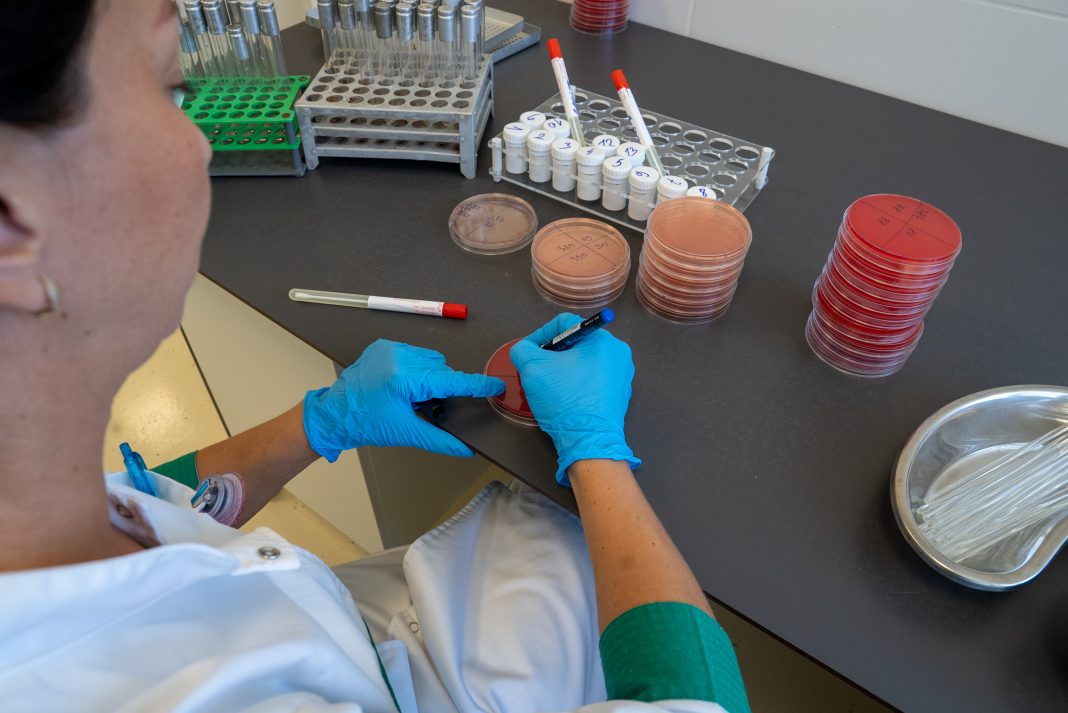
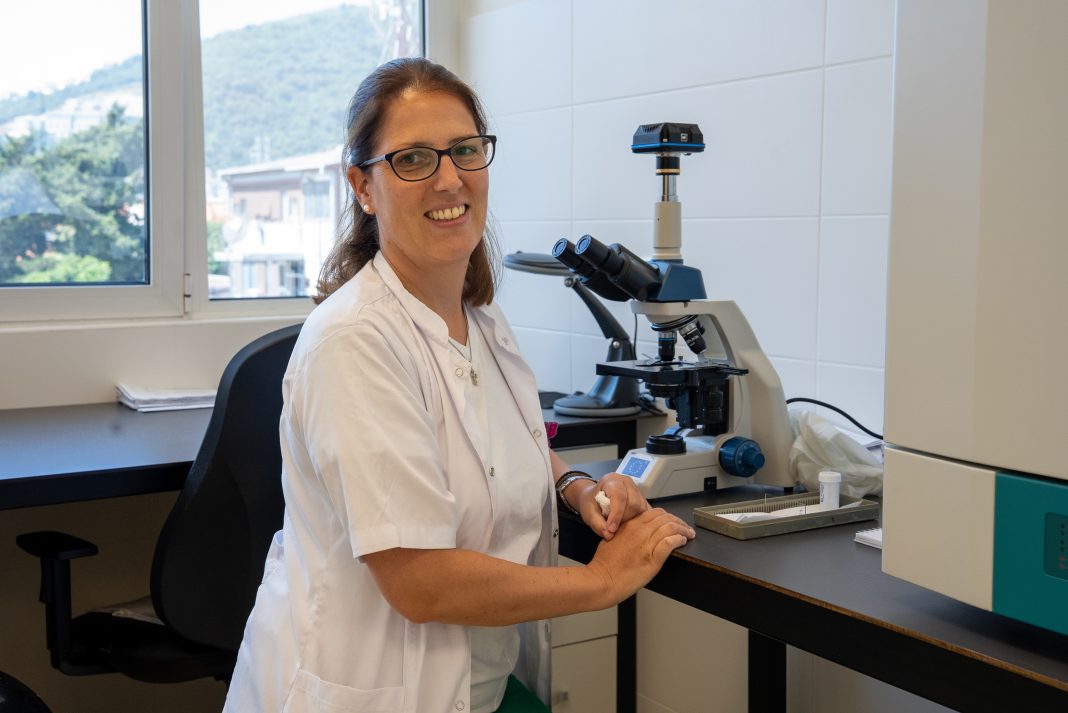
“The premises you see here have been completely renovated and equipped by the European Union. The space was old and had water leaks, and the rooms were not suitable for a microbiology laboratory. Given that microbiology services have existed at the Budva Public Health Centre for 40 years, this renovation has, for the first time, provided us with a proper laboratory space for processing samples from our citizens,” says Dr Svjetlana Mandić, who works in the renovated laboratory alongside four laboratory technicians.
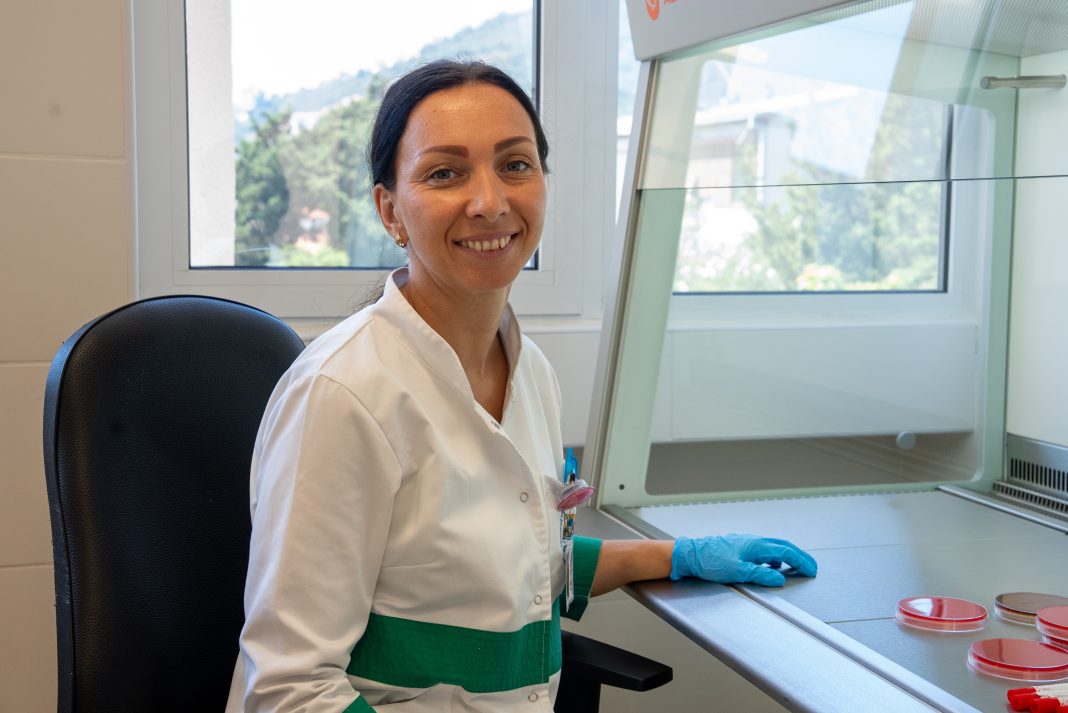
In addition to renovating the premises, the necessary equipment was also procured. One of the most significant purchases was a laminar flow cabinet, a device that enables work in controlled, sterile conditions and reduces the risk of sample contamination. For laboratory technician Ivana Delić, the equipment has become part of her daily routine.
“Every day when I come to work, I use this equipment, which has enabled us to work more efficiently and quickly in a completely sterile environment. We now have significantly better working conditions,” explains Delić.
In addition to the laminar flow cabinet, the laboratory received other devices that have improved various stages of the work – from preparing materials and laboratory glassware to storing samples.
“We received a laboratory glassware washer, a freezer operating at minus 20 degrees Celsius, as well as equipment for preparing culture media. All of this reduces preparation time and enables a faster workflow,” says Dr Mandić.
The laboratory’s improved capacity is also reflected in the increased number of services provided. While the microbiology laboratory processed around 25,000 services in 2022, two years after the renovation, that number had risen to around 30,000. The modernisation of the laboratory has not only improved its premises and equipment, but has also enhanced the daily work of healthcare professionals and the quality of healthcare available to the citizens and visitors of Budva.
Source of text and photos: ME4EU