


The introduction of the criminal offence of femicide and stronger protection for women are key steps in combating gender-based violence and overcoming the problem of a lenient penal policy, it was concluded at a panel dedicated to improving the legislative framework in this area.
It was emphasised that introducing femicide would contribute to the imposition of harsher penalties for the most serious forms of violence against women, while also having a strong preventive effect by acting as a deterrent to potential perpetrators.
The panel entitled “Combating Femicide: Legal Framework and the Practice of EU Countries” was organised by the Ministry of European Affairs in cooperation with the non-governmental organisation, the Centre for Women’s Rights.
The Minister of European Affairs, Maida Gorčević, stated that without genuine protection for women, it is impossible to speak of a strong state and the full application of the principles of the rule of law.

“We must ensure that everything we do as institutions is directed towards making it easier for victims to access protection and support from the system. In such situations, the state must demonstrate the highest level of responsibility and readiness to respond,” Gorčević said.
She stressed that the fight against gender-based violence requires coordinated action by all institutions.
“Institutional cooperation is essential, not only through legislative amendments and the sanctioning of violence, but also through building a system capable of recognising problems in time and providing full protection to victims,” Gorčević added.
The Minister of Justice, Bojan Božović, said that Montenegro is one step away from introducing femicide into the Criminal Code and that the country is currently awaiting the opinion of the European Commission on the proposed amendments.
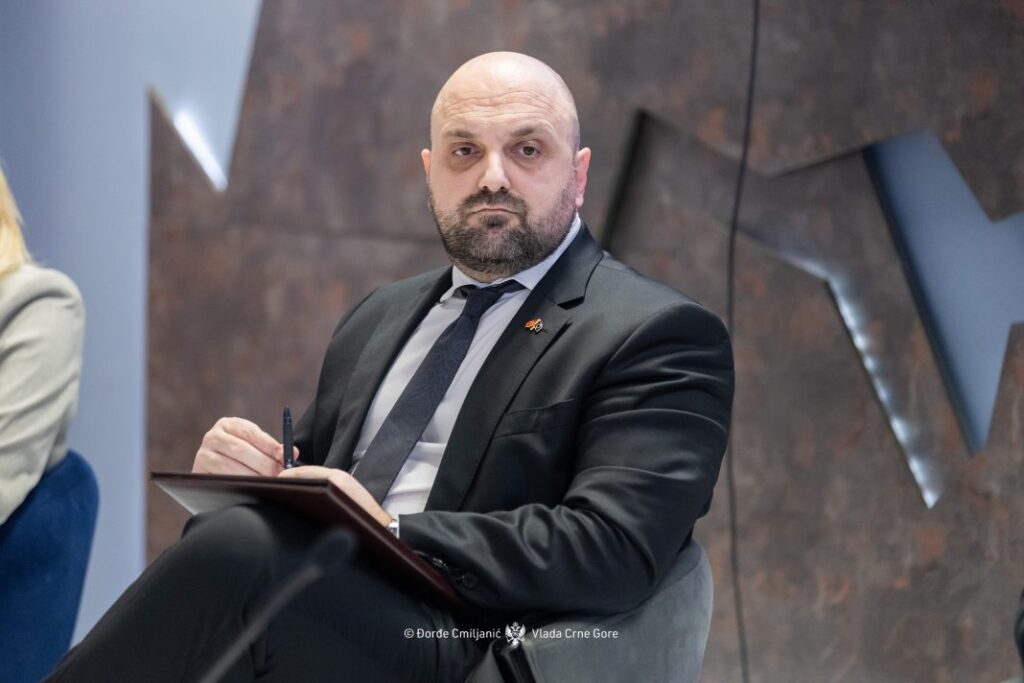
“We are awaiting the opinion of the European Commission, and I believe it is only a matter of days before we receive it. After that, we will immediately initiate further procedures so that the amendments to the law can be submitted to Parliament as soon as possible,” Božović said.
He emphasised that sanctions alone are not sufficient.
“Femicide is only the tip of the iceberg. A sanction comes only after the most tragic outcome has already occurred, while our goal is to react much earlier, to protect the victim in time and to change social patterns that normalise violence,” Božović stated.
The Chair of the Parliamentary Committee on Gender Equality of the Parliament of Montenegro, Jelenka Andrić, said that violence against women must not be treated as a private matter nor justified by any excuses.
“Femicide is almost always preceded by violence against women. If we are forced to react only when the most severe outcome occurs, then it is already too late,” Andrić said.
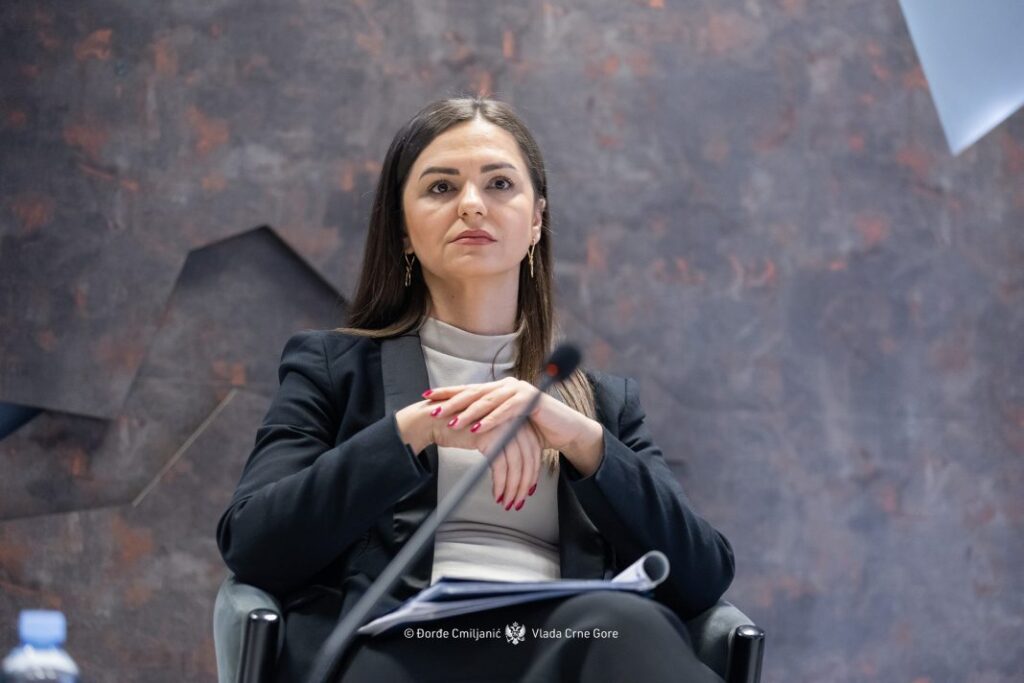
She also stressed the importance of cooperation between institutions and civil society in the fight against gender-based violence.
“Almost every woman has experienced some form of violence at some point, although many have never reported it. That is why strong synergy between institutions and the non-governmental sector is necessary, along with a clear message that without decisive separation between the victim and the perpetrator, there can be no real progress,” Andrić said.
The Ambassador of Italy to Montenegro, H.E. Andreina Marsella, shared Italy’s experience, noting that the country has recently introduced femicide into its legal system as an aggravating circumstance in cases of murder.
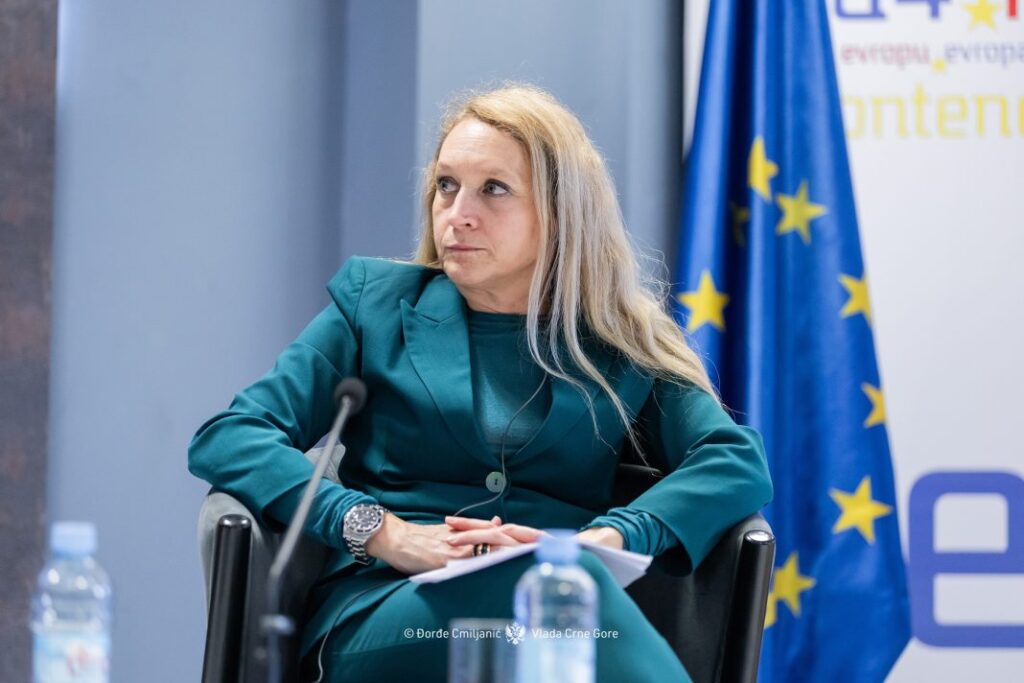
She emphasised that violence against women represents both a social and an institutional problem that requires a systemic response.
“The law is important, but on its own it is not sufficient. A holistic approach is necessary, one that also focuses on prevention. It is equally important to respond to cases of violence and, in that sense, it is crucial that victims are protected so that they feel able to report their attackers,” Ambassador Marsella stated.
The Executive Director of the Centre for Women’s Rights, Maja Raičević, highlighted the need for stronger systemic support for victims and their families.
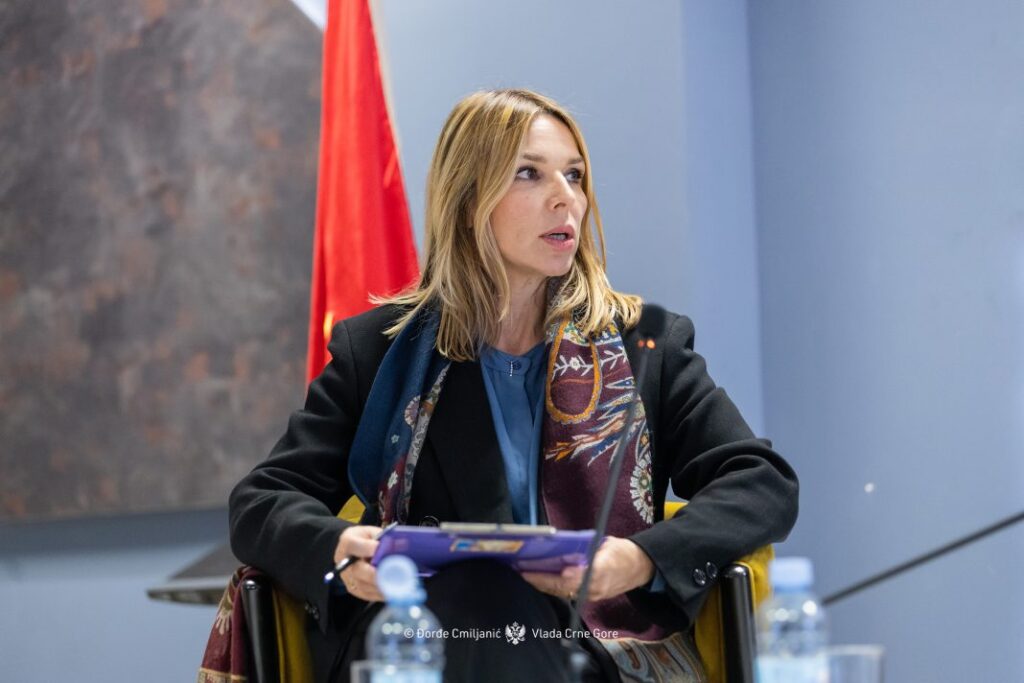
“In our society, the most invisible victims of violence are often children. That is why, through amendments to the Criminal Code, we have called for institutional and systemic support for children who are victims of femicide, including support in education and housing,” Raičević said.
She stressed that the fight against violence against women cannot be reduced solely to legal mechanisms.
“We cannot rely only on the legal framework; we must also change attitudes and cultural patterns that normalise violence. Greater participation of women in politics helps ensure that these issues are discussed more openly and that clear messages are sent to society,” Raičević concluded.
The panel was organised within the EU4ME project funded by the European Union.